Olympic Pipeline Leak Source Pinpointed After Weeks
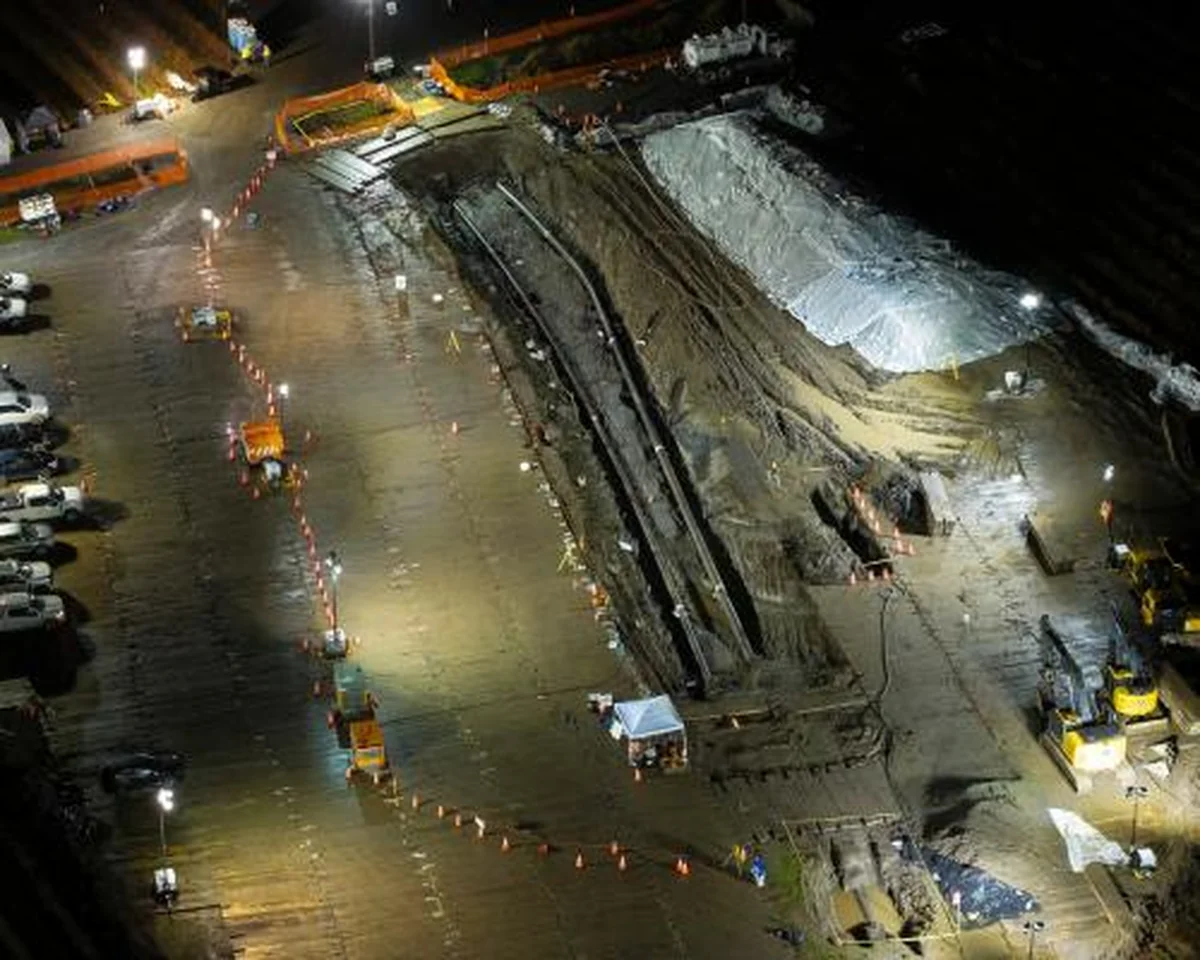
After two weeks of intensive investigation, the precise origin of a fuel leak in the critical Olympic pipeline system has been successfully identified, BP announced recently. The discovery comes after petroleum products were initially observed in a ditch adjacent to a blueberry farm near Everett, Washington, prompting widespread concern.
Leak Source Identified by BP
BP, the energy giant operating the vital pipeline network, confirmed in a public statement that the breach originated in a 20-inch diameter segment of the line, not the parallel 16-inch pipe. This crucial distinction has enabled the smaller, unaffected pipeline to resume operations. The company further stated, “Repair plans for the 20-inch segment are being developed and a timeline for repair and restart will be shared when available,” indicating ongoing efforts to restore full service to the impacted section.
Widespread Fuel Disruptions Trigger Emergency
This development arrives amidst a backdrop of emergency declarations issued by the governors of Washington and Oregon. Governor Bob Ferguson of Washington and Governor Tina Kotek of Oregon each separately proclaimed states of emergency, citing significant disruptions to regional fuel supplies. The Olympic pipeline serves as a critical artery, transporting gasoline, diesel, jet fuel, and various other refined petroleum products throughout both states. Notably, it supplies approximately 90% of Oregon’s transportation fuel requirements and a substantial portion of the jet fuel consumed by Seattle-Tacoma International Airport.
Unfolding Timeline of the Incident
The initial report of the leakage emerged on November 11, originating from an area situated between the Washington communities of Everett and Snohomish. Experts from the Washington State Department of Ecology later confirmed the spill contained a mixture of gasoline, jet fuel, and diesel. In response to the initial discovery, BP proactively halted operations on two parallel pipelines within the Olympic system – the 16-inch and 20-inch lines – to accurately pinpoint the problematic segment.
An attempt to reactivate the 16-inch pipeline on November 16 was short-lived, as BP quickly idled it again after detecting “an increase in product observed in a collection point,” according to a company statement. The unfolding situation escalated on November 19 when Governor Ferguson declared a state of emergency for Washington, temporarily suspending state regulations to permit commercial truck drivers extended hours for delivering vital jet fuel to Seattle-Tacoma airport. Governor Kotek mirrored this action in Oregon on the following Monday, instituting a comparable state of emergency and lifting certain commercial driving restrictions.
Airlines Prepare for Holiday Travel
Major airlines operating out of Seattle-Tacoma and the airport authority itself have assured the public that contingency plans are firmly in place. Speaking to Reuters on Monday, representatives indicated these measures aim to preempt any potential disruptions to upcoming holiday travel schedules, despite the ongoing fuel supply concerns. The focus remains on minimizing impact while repairs to the 20-inch Olympic pipeline segment are planned and executed.
Source: The Guardian