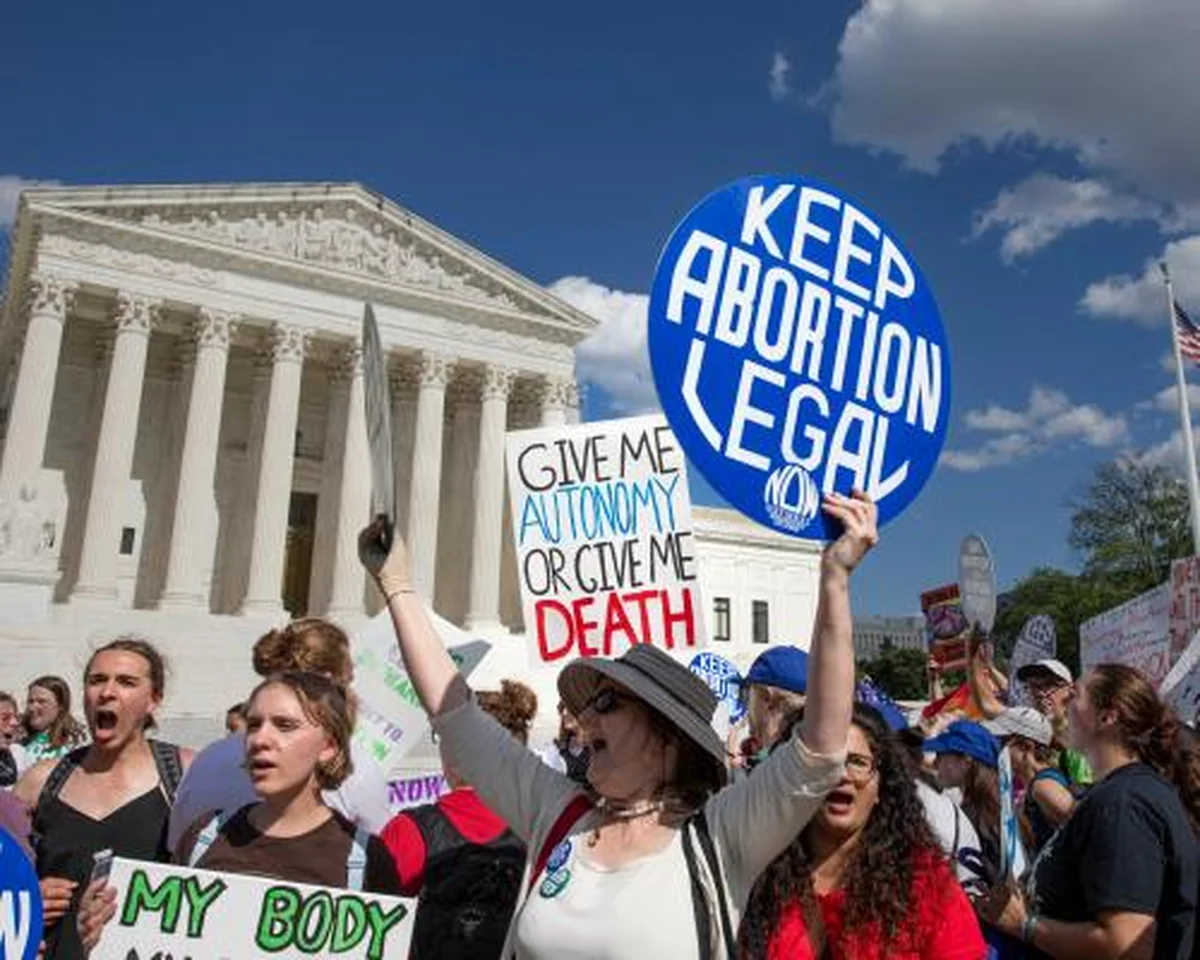
Post-Roe: Hundreds Charged in Pregnancy Crimes
In the two years following the landmark decision that overturned Roe v. Wade, prosecutors across 16 U.S. states have brought criminal charges against more than 400 individuals for actions related to their pregnancies, according to new research published this Tuesday.
The comprehensive analysis, compiled by the reproductive justice advocacy group Pregnancy Justice, meticulously tracked 412 such cases. The findings indicate a pronounced geographical concentration, with the vast majority of these prosecutions occurring in the Southern United States. The research also highlights a disproportionate targeting of low-income women, often under existing statutes designed to prevent child abuse, endangerment, or neglect.
Geographic Hotspots and Legal Allegations
A significant portion of these legal actions, approximately 300 prosecutions, originated in just two states: Alabama and Oklahoma. These states are increasingly recognized as epicenters for the burgeoning legal doctrine of “fetal personhood,” which seeks to bestow full legal rights and protections upon embryos and fetuses, potentially at the expense of the pregnant individual’s autonomy.
The allegations in these cases are varied but consistently revolve around the pregnant person’s conduct. In 16 instances, law enforcement officials pursued charges of homicide against women. Pregnancy Justice emphasizes that the laws typically invoked in these prosecutions were originally enacted to safeguard born children, not fetuses. The group contends that their application to pregnant individuals effectively solidifies the legal concept of fetal personhood, which can undermine the rights of the woman carrying the pregnancy.
Substance Use and Tracking Challenges
A striking nearly 400 of the cases detailed in the new report involved accusations of substance use during pregnancy. One illustrative example shared with The Guardian involved a woman whose umbilical cord was tested for drugs by the hospital after childbirth. Despite possessing a medical marijuana card, a positive test for marijuana led to her arrest on felony child neglect charges.
The precise scale of this trend remains challenging to ascertain fully. Because the United States lacks a unified national database for arrest or court records, Pregnancy Justice suspects its current tally represents an undercount of the actual number of prosecutions. The organization has expanded its resources to unearth more records of pregnancy-related prosecutions, making it difficult to definitively state whether these cases are genuinely on the rise post-Roe or if they are simply being tracked more thoroughly.
Previously, a report released by Pregnancy Justice in September 2024 documented 210 pregnancy-related prosecutions in the first year after Roe v. Wade was overturned — a figure that was, at the time, the highest ever recorded. The continued surge in reported cases underscores a critical and evolving legal landscape for pregnant individuals in the post-Roe era, particularly for vulnerable populations.
Source: The Guardian