San Francisco Braces for Potential Federal Troop Push
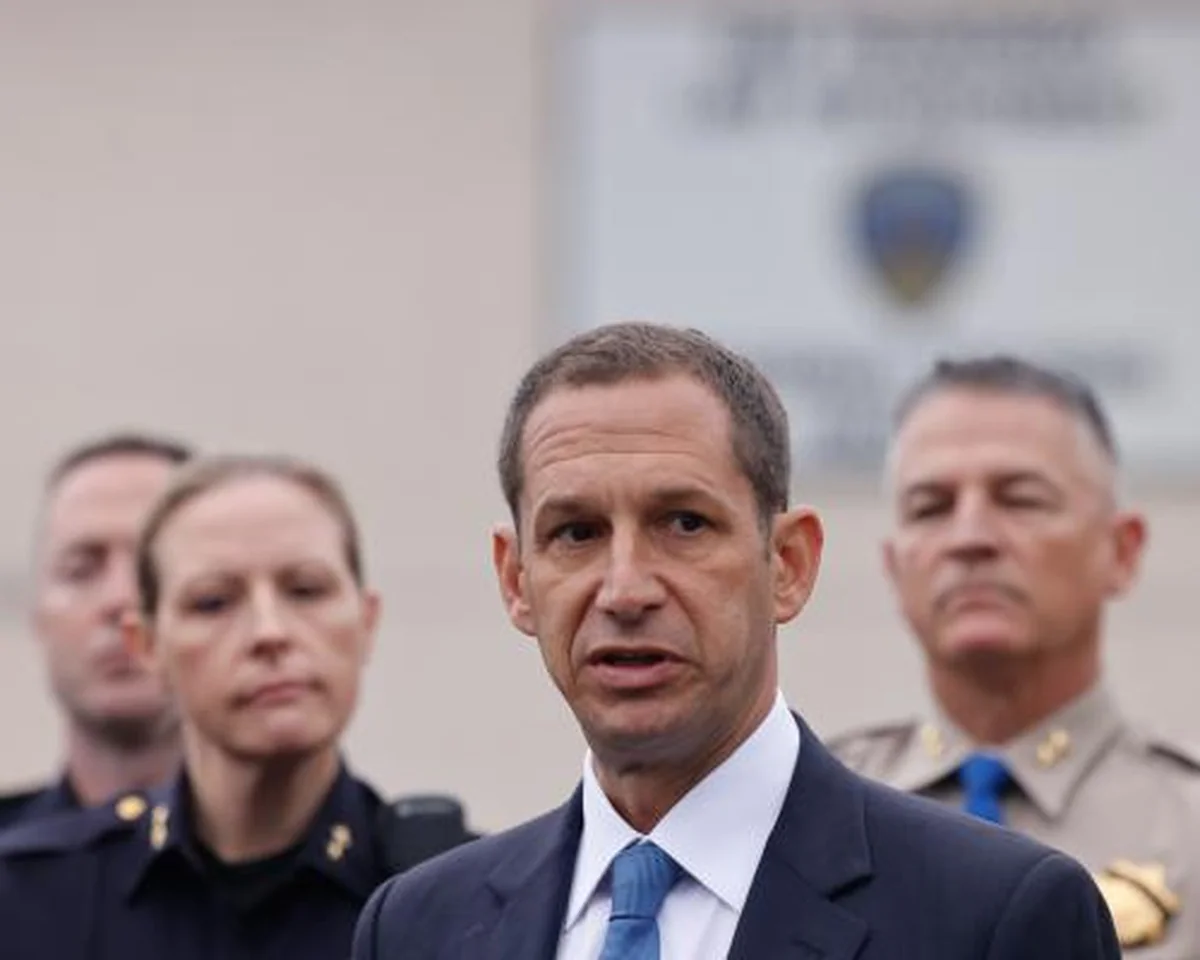
President Donald Trump signaled Wednesday that San Francisco could become the latest urban center to face an influx of federal personnel, a move vehemently rejected by state and local authorities who deem such intervention unnecessary and unwelcome. Speaking from the White House alongside FBI Director Kash Patel, the president articulated his rationale for the potential deployment.
Federal Intervention Looms Over San Francisco
“I’m going to be strongly recommending, at the request of government officials … that you start looking at San Francisco,” Trump stated, painting a stark picture of the city. He lamented its current state, describing it as “a mess” compared to its former glory. “One of our great cities 10 years ago, 15 years ago, and now it’s a mess … Every American deserves to live in a community where they’re not afraid of being mugged, murdered, robbed, raped, assaulted or shot,” the president asserted, justifying his push for federal involvement.
Local Leaders Condemn Unsolicited Action
Despite Trump’s claims of requests from “government officials,” Democratic leaders in San Francisco and California have explicitly not sought federal assistance of this nature. They strongly oppose what they characterize as an authoritarian crackdown, arguing it is predicated on exaggerated and baseless claims of rampant crime. California Governor Gavin Newsom, a native of San Francisco, has been among those anticipating the Bay Area city could fall under the president’s scrutiny for months.
Local and state leaders have consistently conveyed that there is no crisis of crime or violence in San Francisco warranting external assistance or a militarized response. They view Trump’s proposed deployment as an unwarranted intrusion into local governance and a mischaracterization of the city’s safety.
A Pattern of Federal Deployments
This potential action in San Francisco follows similar federal deployments earlier this year in other major U.S. cities, including Portland, Chicago, Washington D.C., and Los Angeles. These operations, often targeting cities led by Democrats, have frequently been met with strong local opposition and public protests.
Legal Scrutiny and Past Controversies
Trump’s increasing focus on deploying national guard troops to Democratic-governed cities raises questions regarding longstanding federal law. Federal statutes broadly restrict the domestic use of U.S. troops to enforce criminal laws, a principle designed to maintain a clear separation between military and civilian law enforcement functions.
The previous federal deployments in cities like Chicago and Los Angeles were particularly controversial. They often coincided with aggressive and at times violent immigration raids, which in turn sparked widespread protests. These demonstrations were frequently met with a robust show of force by law enforcement, escalating tensions in the affected communities.
San Francisco’s Anticipated Standoff
President Trump has long harbored grievances against San Francisco, expressing his disdain during his campaign last year. He notably claimed that his opponent, Kamala Harris, had “destroyed” the city, transforming it from “the best city” to “not even livable.” This history of criticism suggests a deeper, politically charged motivation behind the current threats.
When pressed for comment on specific plans for San Francisco, a White House spokesperson declined to elaborate, simply referring back to the president’s earlier remarks. San Francisco and California officials remain steadfast in their opposition, vowing to resist any federal intervention they deem unconstitutional and counterproductive to the city’s well-being.
Source: The Guardian