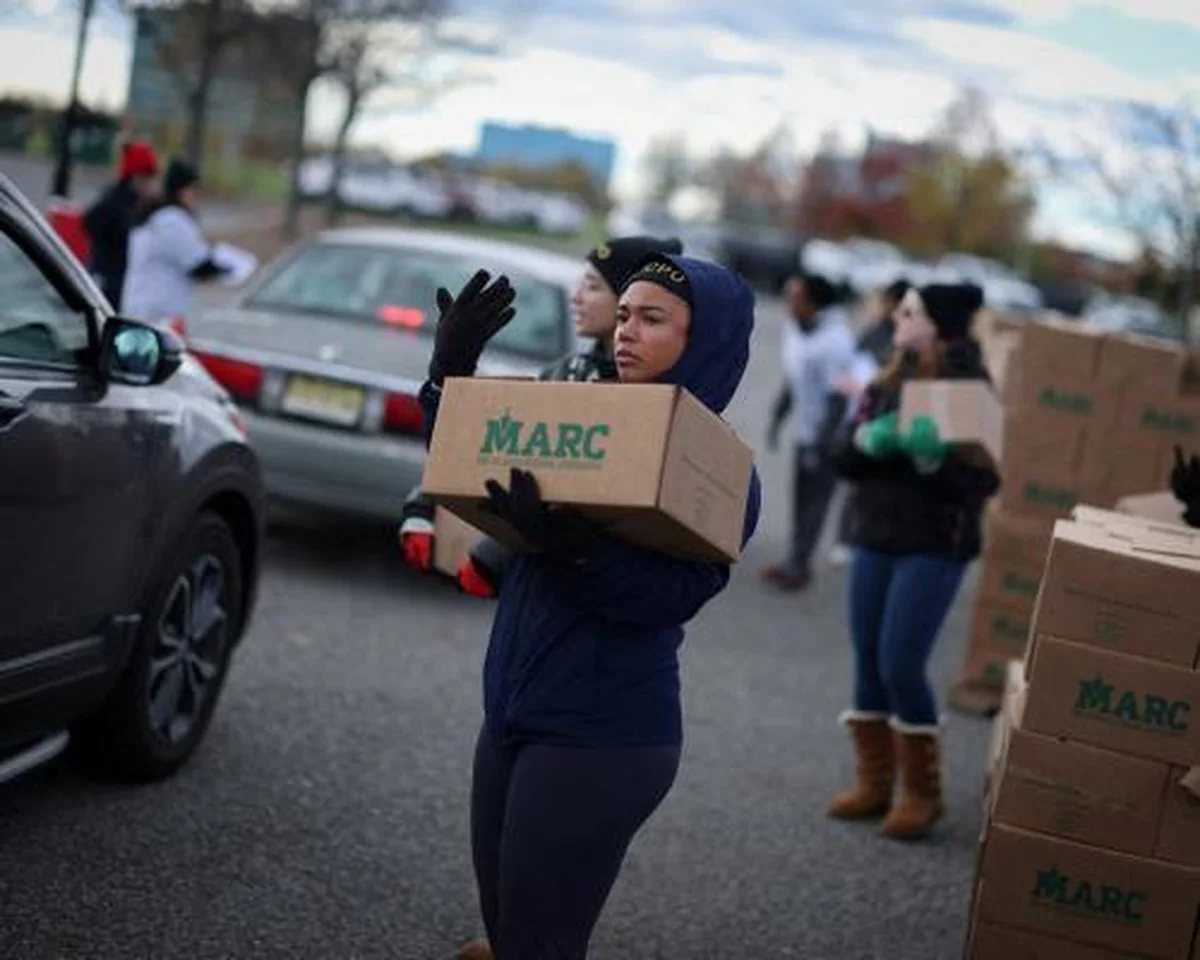
Supreme Court Extends Halt on $4 Billion in Food Aid
Millions of Americans grappling with food insecurity face heightened uncertainty this week after the nation’s highest judicial body, the U.S. Supreme Court, allowed the Trump administration to continue withholding crucial funding for food assistance programs. In a move that deepens the impact of an ongoing government shutdown, the Court issued an administrative stay on Tuesday, extending a temporary halt on a federal judge’s order. This ruling would have mandated the immediate distribution of $4 billion designated for the Supplemental Nutrition Assistance Program (SNAP), a vital lifeline for approximately 42 million people nationwide. The extended freeze on these essential benefits is now slated to remain in effect until midnight on Thursday, leaving countless families in limbo.
High Court’s Intervention
The Supreme Court’s decision effectively sided with the administration’s request to delay the release of funds, prolonging a contentious standoff over federal spending. The initial judicial order, which sought to compel the release of the $4 billion, aimed to mitigate the severe consequences for low-income households dependent on SNAP. Instead, the highest court’s intervention grants the executive branch additional time, postponing the potential disbursement of funds that many had hoped would alleviate the strain caused by the current federal impasse. The two-day extension adds to the growing anxiety among beneficiaries and state agencies responsible for administering the program.
Shutdown’s Shadow on Food Aid
This judicial development unfolds as the U.S. House of Representatives prepares for a critical vote on Wednesday on a legislative package designed to end the longest government shutdown in American history. Despite the looming resolution efforts, the Trump administration has maintained a firm stance on the SNAP funding, asserting that the billions will only be released once Congress reaches a broader compromise to fully reopen the government. “The only way to end this crisis – which the executive is adamant to end – is for Congress to reopen the government,” wrote Solicitor General D. John Sauer in the administration’s legal filing, underscoring the political leverage being applied.
State-Level Disarray and USDA Directives
While SNAP benefits are federally financed, their administration falls to local and state governments. This unprecedented funding lapse, marking a first for the nation’s largest anti-hunger initiative, has plunged numerous states into disarray. Many states had proceeded to issue benefits, operating under the assumption that these distributions were authorized prior to the Supreme Court’s unexpected intervention. The confusion escalated dramatically on Sunday when the Department of Agriculture (USDA) issued a directive instructing states to “immediately undo” any aid already provided to eligible low-income Americans. The question of whether states that disbursed funds will be reimbursed by a federal government already facing depleted coffers remains unanswered, adding another layer of financial strain to state budgets. Patrick Penn, the Deputy Undersecretary of Agriculture, reiterated this stance in a communication to state SNAP directors: “To the extent states sent full Snap payment files for November, this was unauthorized. Accordingly, states must immediately undo any steps taken to issue full Snap
Source: The Guardian