State Department Revamps Research Program Over DEI
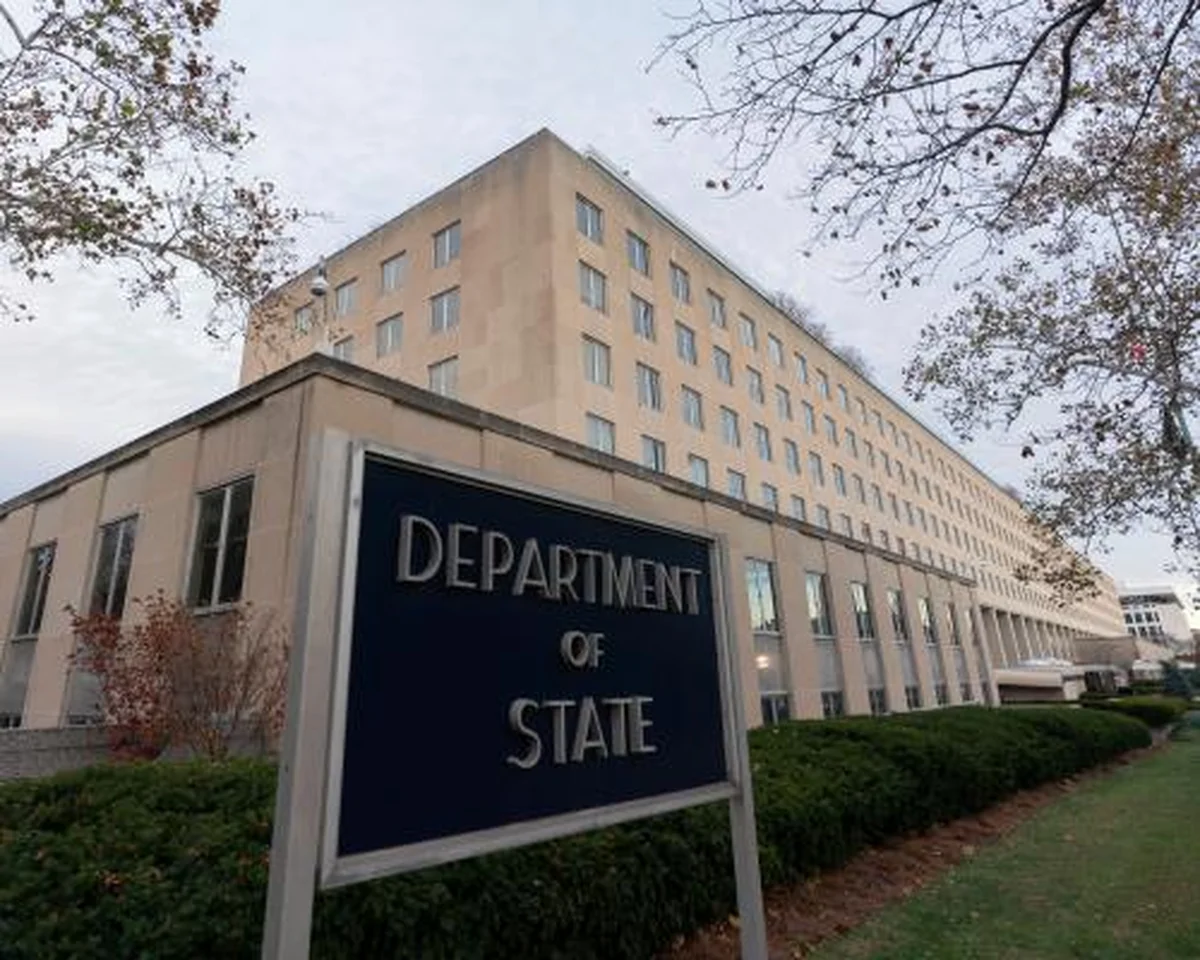
The U.S. State Department is reportedly moving to sever ties with nearly four dozen academic institutions, including prominent names like Harvard and Yale, from a federal research collaboration program. The proposed suspensions stem from these universities’ adherence to diversity, equity, and inclusion (DEI) hiring protocols, according to an internal memo and accompanying spreadsheet obtained by The Guardian.
Dated November 17, the confidential memo outlines recommendations for excluding institutions from the Diplomacy Lab, a vital program that connects university researchers with State Department policy offices. The criteria for exclusion specifically target universities that “openly engage in DEI hiring practices” or establish DEI objectives for their candidate pools. If implemented, these changes are slated to take effect on January 1, 2026.
Proposed Program Overhaul
Among the elite institutions identified for potential suspension are Stanford University, Yale University, Johns Hopkins University, Duke University, and the University of Southern California. Other targeted schools encompass American University, George Washington University, Syracuse University, and several campuses within the University of California system. In total, 38 universities face the prospect of exclusion from the program.
The Diplomacy Lab, established in 2013, serves as a crucial bridge between State Department offices and academic experts. It facilitates semester-long projects focused on complex foreign policy challenges, offering universities invaluable real-world research opportunities. Concurrently, the program provides the department with access to specialized academic expertise and a pipeline of potential recruits, enhancing its analytical capabilities and talent acquisition efforts.
Evaluating Academic Partners
The Guardian’s review of the internal documents revealed a sophisticated, color-coded spreadsheet used to assess 75 universities. This system evaluates institutions on a four-point scale. Universities displaying “clear DEI hiring policy” are marked in red, signaling their proposed suspension from the program. Conversely, institutions demonstrating “merit-based hiring with no evidence of DEI” are highlighted in green, indicating their partnerships would be maintained.
New Collaborations on the Horizon
Should the department proceed with these recommendations, the academic partnership network would undergo a significant transformation. The proposed shift includes replacing the suspended institutions with new collaborators, such as Liberty University, Brigham Young University, and several other schools located in Missouri and Texas. This move would fundamentally reshape the landscape of federal-academic cooperation in foreign policy research.
Broader Context of DEI Scrutiny
This development unfolds against a backdrop of increasing scrutiny and political opposition to DEI initiatives within higher education. The proposed suspensions align with a broader, nearly year-long campaign against DEI practices, particularly evident in recent political discourse. In January, diversity programs were declared “illegal,” with orders issued to agencies to force u…
The State Department’s proposed action signals a notable reorientation of its engagement with academic institutions. This move could have far-reaching implications for foreign policy research, academic freedom, and the long-standing relationship between federal agencies and the nation’s universities, prompting significant debate about the role of DEI in federally funded collaborations.
Source: The Guardian