Supreme Court Weighs Fate of ‘Conversion Therapy’ Ban
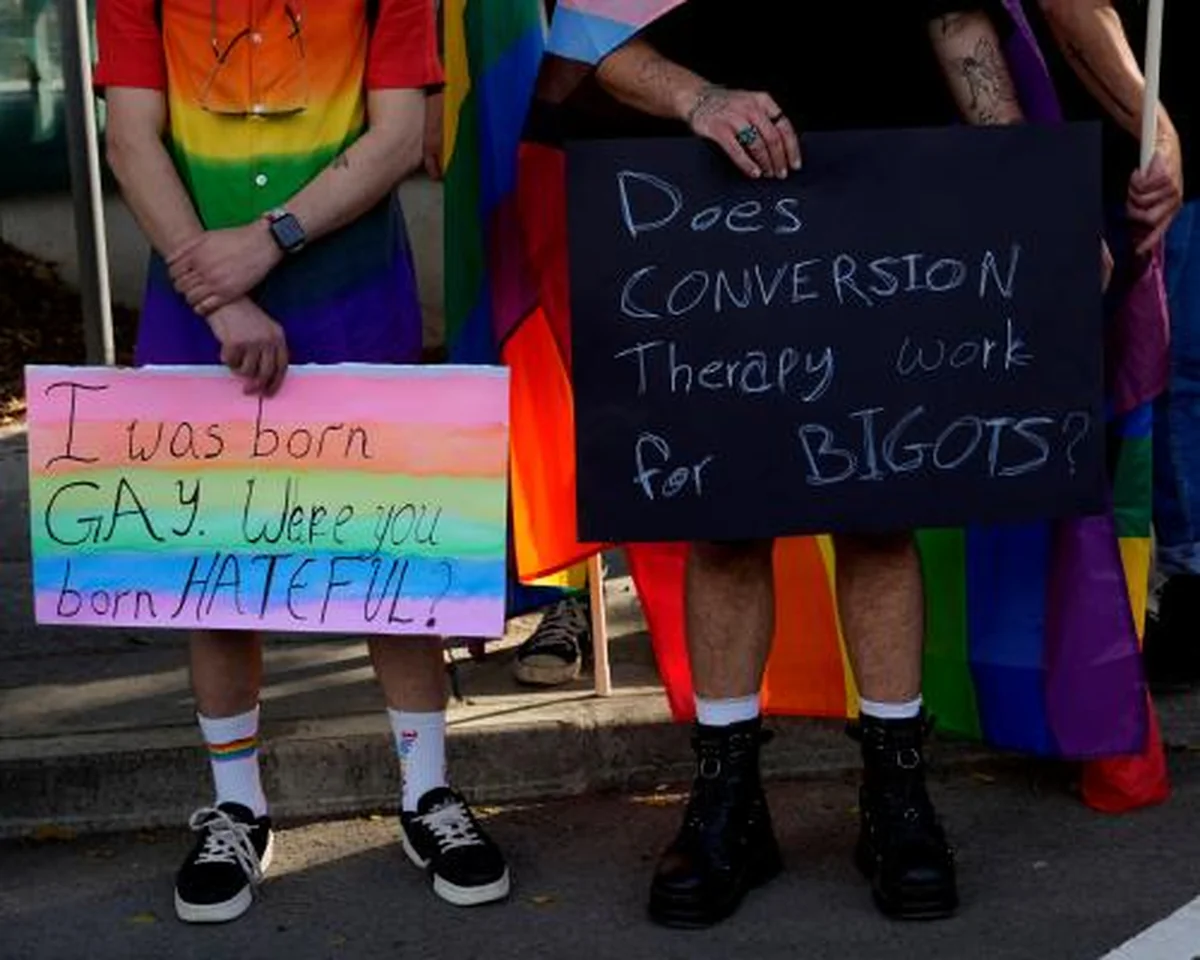
The United States Supreme Court is currently facing a pivotal legal challenge from a prominent Christian legal organization, which is pushing for the annulment of “conversion therapy” prohibitions. This high-stakes legal battle, unfolding this week, carries profound implications, potentially eroding the established rights and protections for LGBTQ+ youth across the nation.
At the heart of the matter is the case *Chiles v. Salazar*, where the Alliance Defending Freedom (ADF) represents an individual counselor. The ADF, a conservative legal powerhouse known for its involvement in significant anti-abortion and anti-LGBTQ+ litigation, is challenging a 2019 Colorado statute. This state law explicitly forbids licensed mental health clinicians from engaging in conversion practices with patients under the age of 18, particularly those aimed at altering their sexual orientation or gender identity.
### Discredited Practices and Medical Consensus
These methods, often referred to as “reparative” therapy or “sexual orientation change efforts,” have been widely discredited by the medical and psychological communities. Leading organizations such as the American Psychological Association, the American Medical Association, and the American Academy of Child and Adolescent Psychiatry, among others, have unequivocally condemned them as ineffective and harmful. Experts consistently highlight the techniques’ strong correlation with elevated rates of depression and increased suicide attempts among those subjected to them. Historically, such practices have encompassed extreme measures like electrical shocks, though contemporary forms can vary.
The ADF is representing Kaley Chiles, a licensed Colorado counselor who identifies as Christian. Chiles asserts that the state’s ban infringes upon her First Amendment rights, specifically her freedom to discuss her faith with her patients. ADF characterizes Chiles’s 2022 lawsuit against the prohibition as a “pre-enforcement challenge,” arguing that she has already begun “censoring herself” in her professional interactions due to fear of violating the law.
### Legal Arguments and Broader Implications
Colorado’s legal representatives, however, counter that Chiles’s petition is based on a hypothetical infringement of her free speech. They point out that the state has neither received any complaints regarding Chiles’s conduct nor taken any disciplinary action against her.
Colorado stands among more than 20 states in the U.S. that have implemented similar bans on conversion practices. A favorable ruling for ADF in this Supreme Court case could destabilize these existing state laws, rendering them vulnerable to comparable legal challenges and potentially stripping away vital protections for vulnerable youth nationwide.
It’s important to note the specific scope of the Colorado legislation. The law is strictly applied to licensed mental health professionals and does not extend to non-medical individuals, such as religious ministers. Furthermore, it does not regulate the conduct of practitioners like Chiles outside of their professional therapeutic work.
The outcome of *Chiles v. Salazar* at the Supreme Court will undoubtedly send a ripple effect across the country, influencing the legal landscape surrounding LGBTQ+ rights and the ethical boundaries of mental health care for minors. The case underscores the ongoing tension between claims of religious freedom and the established medical consensus regarding the well-being of LGBTQ+ youth.
Source: The Guardian