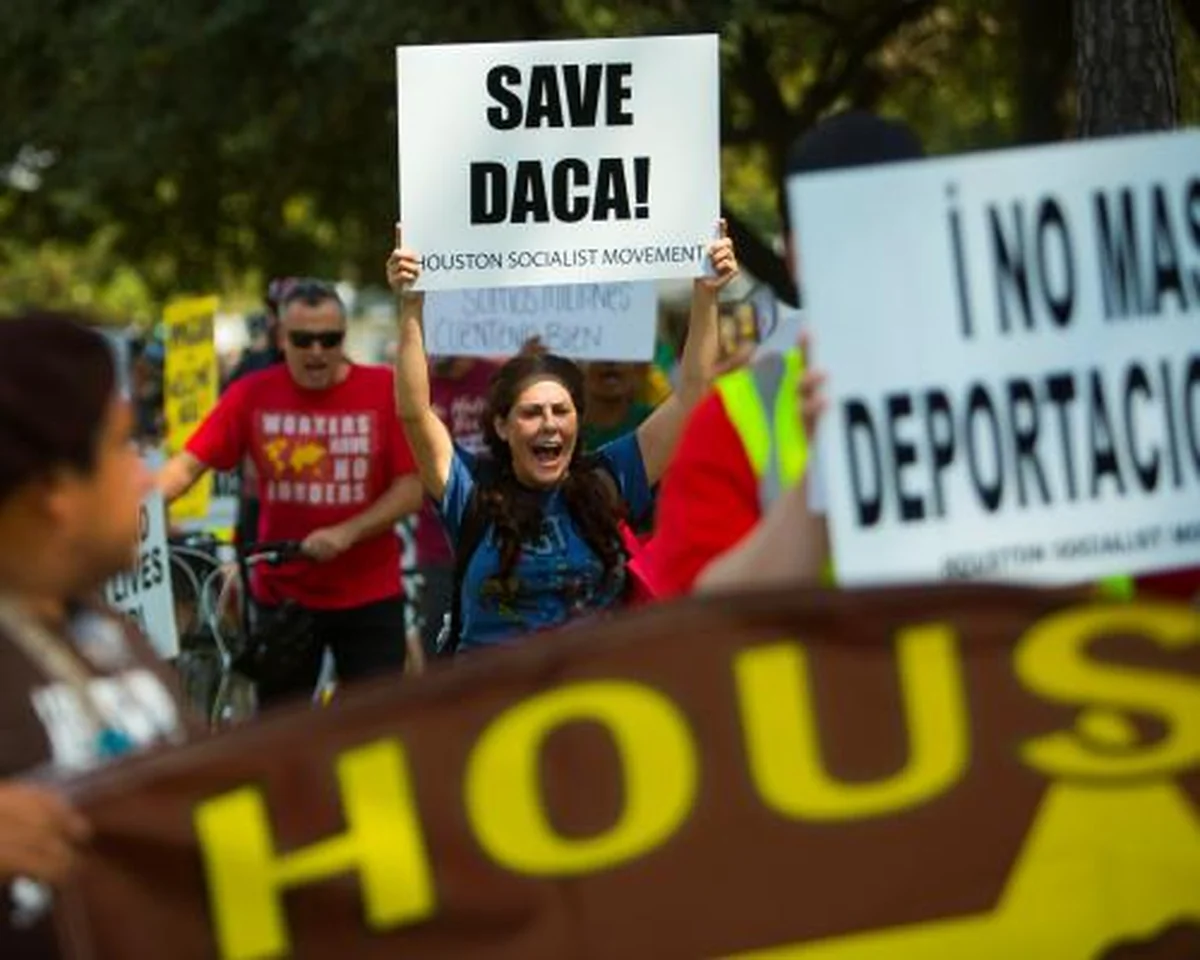
Texas DACA Recipients Face Uncertain Future Amid Judge’s Ruling
Tens of thousands of young immigrants in Texas are on edge, awaiting a pivotal federal court decision that could strip away their legal ability to work in the United States. The Deferred Action for Childhood Arrivals (DACA) initiative, a cornerstone of their lives, faces an existential threat within the state, prompting widespread anxiety and fears of profound personal and economic disruption.
The Impending Decision and Its Stakes
U.S. District Court Judge Andrew Hanen is poised to issue a ruling in a protracted legal battle concerning the Obama-era DACA policy. His decision will weigh competing proposals for the program’s future, including a contentious plan initially put forth by the Trump administration. This particular proposal seeks to render DACA beneficiaries in Texas ineligible for the employment authorization documents typically provided by the policy, isolating them from the protections afforded to others nationwide.
Established in 2012, DACA has served as a critical lifeline, offering temporary relief from deportation and granting work permits to over half a million immigrants. These individuals were brought to the U.S. as children without authorization or overstayed their visas. To qualify for DACA, applicants must demonstrate continuous residency since before 2007, have attended an American high school or served in the military, and pass rigorous background checks. The average age of those currently enrolled in DACA is 31 years old.
A Lifeline in Jeopardy for Texas “Dreamers”
Texas is home to the nation’s second-largest DACA population, with an estimated 86,000 individuals relying on the program, trailing only California. For many, DACA has been more than just a temporary status; it has enabled an entire generation of young adults to build stable lives, pursue higher education, establish professional careers, and raise families in the absence of comprehensive immigration reform from Congress. Despite its vital role, the program has remained mired in legal uncertainty, with the current challenge in Texas posing an especially severe threat.
Should Judge Hanen endorse the federal government’s proposed plan, the consequences for Texas DACA holders would be immediate and devastating. They stand to lose their lawful employment, their primary source of income, and their professional trajectories. Such a ruling would likely force many into precarious, undocumented work environments or compel them to leave the state altogether. Moreover, DACA recipients who have relocated to Texas from other states could also see their work permits revoked, adding another layer of complexity to their already uncertain futures.
Personal Impact and Broader Implications
The human cost of this potential decision is immense. Laura Alguera, who arrived in the U.S. from Mexico City at age four in 1994, articulated the profound despair many feel. “It would be heartbreaking having to leave my family’s dream, my dream, everything I worked for,” Alguera stated. “Thanks to Daca I’m a licensed cosmetologist and was able to open my own salon. How am I going to explain…” Her words underscore the personal investments and achievements that DACA has facilitated, now hanging precariously in the balance.
The potential economic fallout for Texas, beyond individual hardship, is also significant. The loss of a skilled workforce and consumer base could ripple through local economies. As Judge Hanen prepares to deliver his verdict, thousands of DACA recipients and their families in Texas face an agonizing wait, their hopes and dreams tethered to a single judicial decision that could redefine their lives.
Source: The Guardian