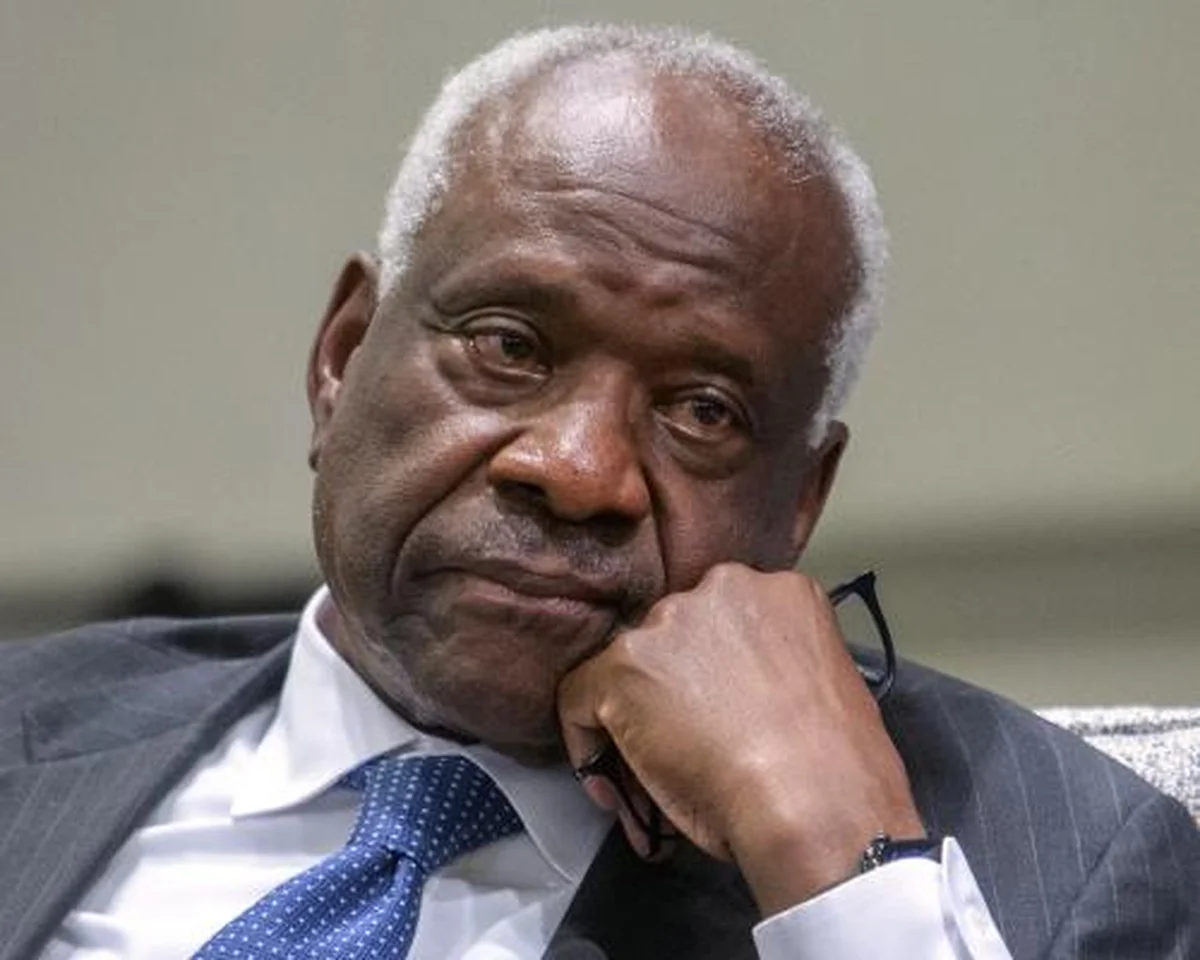
Justice Thomas: Precedent Not ‘Gospel’ for Court’s Future
U.S. Supreme Court Justice Clarence Thomas recently articulated a provocative view on the nature of legal precedent, stating it is not immutable “gospel” and, in some instances, may be nothing more than “something somebody dreamt up and others went along with.” These striking comments from one of the Court’s most influential conservative voices hint at a potential re-evaluation of long-standing legal principles as the Supreme Court prepares for its upcoming term.
Justice Thomas’s Controversial Stance
Justice Thomas, a key figure within the Court’s entrenched conservative majority—a composition largely solidified by appointments during Donald Trump’s two presidencies—delivered his remarks on Thursday at the Catholic University of America’s Columbus School of Law in Washington D.C. His statements, reported by ABC News and other media outlets, come just weeks before the Supreme Court is set to commence its nine-month term on October 6.
During a rare public appearance, Thomas emphasized that past rulings are not sacred texts. “I don’t think that … any of these cases that have been decided are the gospel,” he asserted, using a term that, in a religious context, denotes divine truth. He clarified his respect for precedent but underscored that it “should be respectful of our legal tradition, and our country and our laws, and be based on something – not just something somebody dreamt up and others went along with.”
Implications for Upcoming Cases
The timing of Justice Thomas’s comments is particularly significant, given the array of contentious cases expected to reach the Court’s docket. Among the high-profile matters potentially facing Thomas and his fellow justices is a petition seeking to reverse the landmark 2015 *Obergefell v. Hodges* decision, which established the constitutional right to same-sex marriage nationwide. Justice Thomas was part of the 5-4 minority that dissented from the *Obergefell* ruling, making his current skepticism of precedent highly relevant to its potential reconsideration.
Beyond marriage equality, the Supreme Court’s 2025-2026 term is anticipated to involve other weighty issues. These include disputes related to tariffs, transgender rights, campaign finance regulations, religious freedoms, and capital punishment. The Court’s approach to these complex legal questions could be profoundly shaped by a willingness to challenge or overturn established precedents.
The Court’s Conservative Shift and Precedent
The appointments made during Donald Trump’s first presidential term were instrumental in solidifying the Court’s current conservative supermajority. This shift has frequently led to rulings aligning with conservative legal interpretations, particularly since Trump’s return to the White House following the 2020 election.
A notable example of this conservative supermajority’s impact occurred in June 2022. During Joe Biden’s presidency, the Court famously overturned federal abortion rights that had been recognized for nearly five decades under the *Roe v. Wade* precedent. In that decision, Justice Thomas penned a concurring opinion that further signaled his expansive view on re-examining established law. He urged the Court to “reconsider all … substantive du…” – a clear indication of his belief that other foundational precedents, including those protecting rights like same-sex marriage, could also be vulnerable to review.
Justice Thomas’s latest remarks underscore a judicial philosophy that prioritizes originalist interpretations of the Constitution over adherence to judicial precedent, signaling a potentially tumultuous term ahead for the Supreme Court and the future of American law.
Source: The Guardian