$1BN Loan Fuels Three Mile Island Nuclear Plant Restart
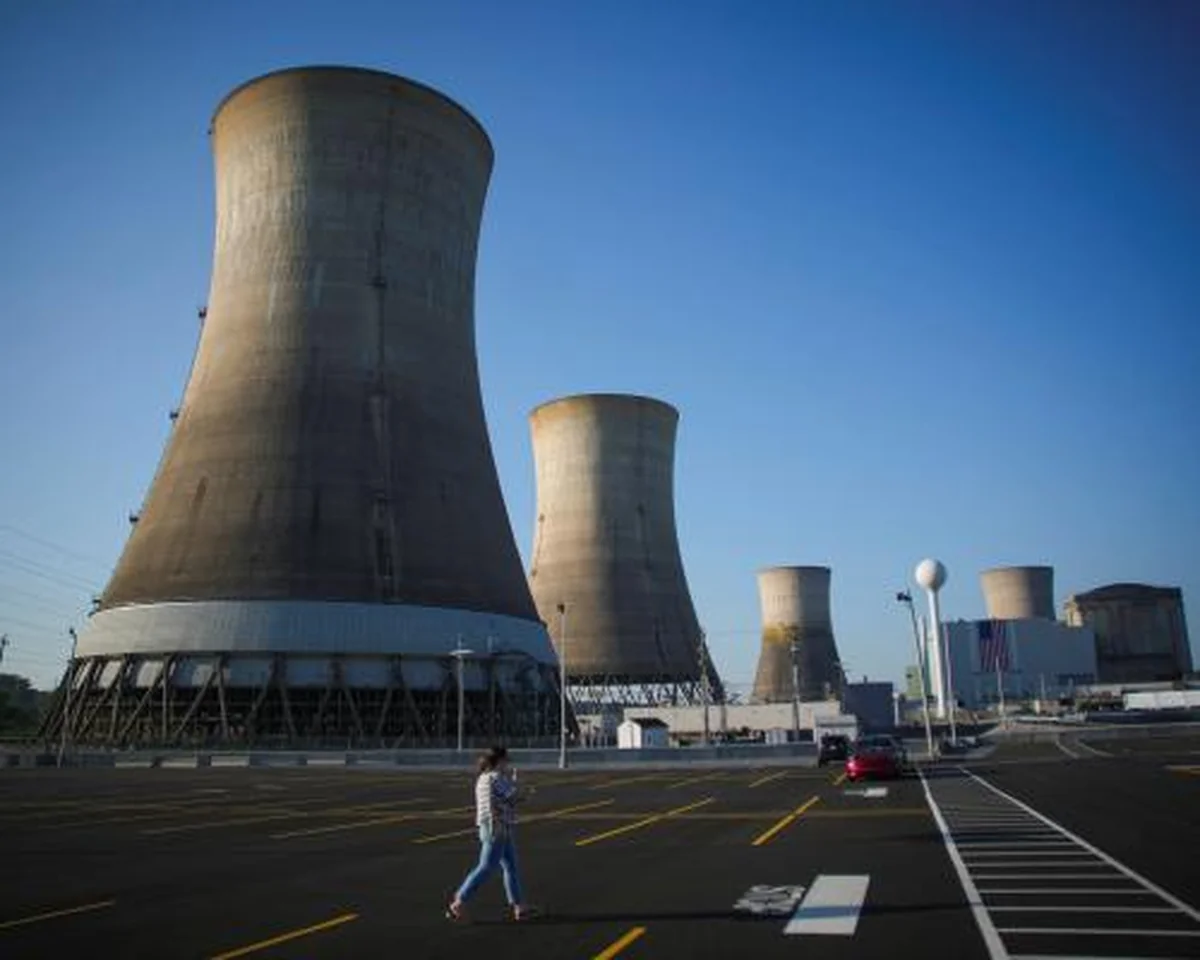
WASHINGTON D.C. – The Trump administration has unveiled a significant federal investment, announcing a $1 billion loan aimed at revitalizing the Three Mile Island nuclear power plant in Pennsylvania. This substantial financial backing is earmarked for Constellation Energy, the plant’s operator, to bring one of its reactors back online, primarily to supply electricity to Microsoft’s burgeoning data centers.
US Energy Secretary Chris Wright confirmed the allocation on Tuesday, emphasizing the loan’s strategic importance. Wright stated that the funding would “ensure America has the energy it needs to grow its domestic manufacturing base and win the AI race,” highlighting the broader national implications of the project beyond energy generation.
Federal Investment Fuels Nuclear Revival
The decision to restart the 835-megawatt reactor, which ceased operations in 2019, comes on the heels of a critical 20-year power purchase agreement signed in 2024 between Constellation and Microsoft. This landmark deal underscores the tech giant’s urgent need for a stable and substantial energy supply to power its rapidly expanding artificial intelligence operations. The federal loan is designed to facilitate this revival, providing essential capital for the complex process of reactivating the facility.
The other unit at the Pennsylvania site, now known as the Crane Clean Energy Center, holds a significant place in American history, having shut down in 1979 following the most severe nuclear meltdown and radiation leak ever recorded in the United States. The current initiative focuses solely on restarting the previously operational second reactor, not the one involved in the 1979 incident.
Powering the AI Future
The push to bring Three Mile Island back online reflects a broader trend: a dramatic surge in US power demand, marking the first such increase in two decades. This heightened demand is largely fueled by energy-intensive technologies, with artificial intelligence leading the charge. As a result, nuclear energy, celebrated for its virtually carbon-free output, is gaining renewed attention as a viable power source for major technology companies like Google and Meta, which are also grappling with their growing energy footprints.
However, the resurgence of nuclear power is not without its detractors. Critics frequently point to the persistent challenge of radioactive waste management, noting that the US has yet to establish a permanent, long-term storage solution for spent nuclear fuel. This unresolved issue remains a central point of contention in ongoing debates about nuclear energy’s role in the nation’s future energy mix.
Economic and Grid Benefits
In a formal statement, the US Department of Energy outlined the anticipated benefits of the reactor’s restart. Once operational, Constellation’s reactor is projected to generate enough electricity to power approximately 800,000 homes. Beyond sheer capacity, the project is expected to contribute to lower electricity costs for consumers, enhance the reliability and resilience of the national power grid, and create over 600 jobs, providing a substantial economic boost to the region.
Secretary Wright reiterated the multifaceted advantages, stating, “Constellation’s restart of a nuclear power plant in Pennsylvania will provide affordable, reliable, and secure energy to Americans across the Mid-Atlantic region. It will also help ensure America has the energy it needs to grow its domestic manufacturing base and win the AI race.”
Constellation Energy, for its part, affirmed that the federal loan would significantly reduce its financing costs and enable it to attract further private investment necessary to restore the plant’s power generation capabilities. The company has already made substantial progress, including hiring hundreds of workers, completing critical infrastructure inspections, and placing orders for major equipment, with the reactor expected to come online in 2027.
Source: The Guardian