Trump Administration Redefines Gun Violence Prevention Aid
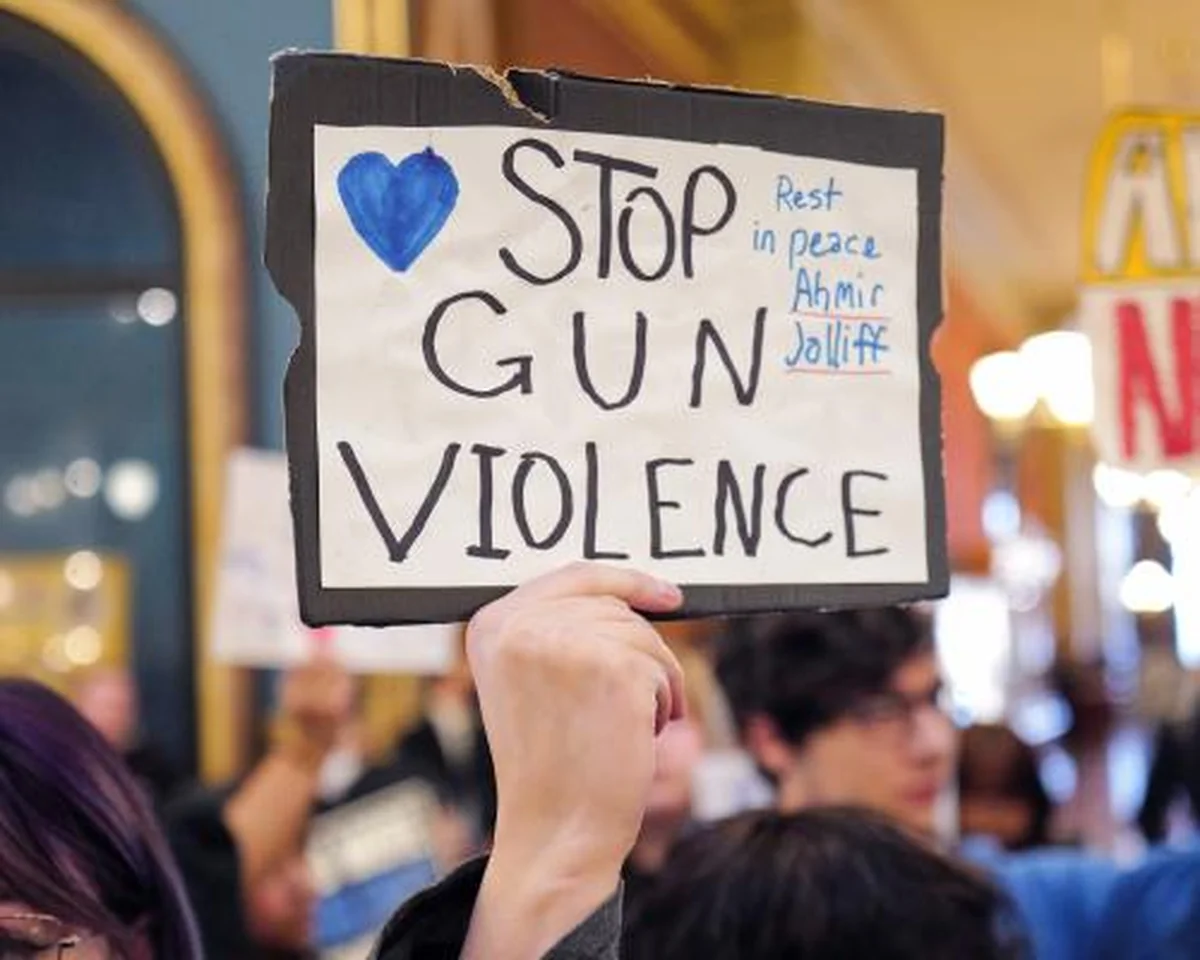
The Trump administration has significantly restructured a federal grant initiative designed to combat gun violence in vulnerable communities, effectively disqualifying many of the non-profit organizations it was originally established to support. New application guidelines, issued by the Department of Justice (DoJ) in September, reveal a stark pivot in strategy for the Community Based Violence Intervention and Prevention Initiative (CVIPI).
A Fundamental Shift in Funding Eligibility
Established in 2022 under the Biden administration, CVIPI was conceived to bolster groups actively engaged in violence reduction across both rural and urban areas, alongside funding research to assess program effectiveness. This pioneering initiative arose from a recognition that community-centric programs were vital instruments in addressing America’s pervasive gun violence crisis, having demonstrably contributed to a reduction in homicides in major U.S. cities.
Historically, prior to President Trump’s inauguration, a broad spectrum of entities — including community-based organizations, non-profits, and local and state governmental bodies — were eligible to seek these federal grants. However, the revised stipulations now restrict eligibility exclusively to city, county, and tribal governments. This change represents a substantial narrowing of the applicant pool, sidelining many of the grassroots organizations that have been at the forefront of community violence intervention efforts.
Redefining Program Goals and Priorities
Beyond the altered eligibility, the stated objectives of the CVIPI program have also undergone a notable transformation. What was once defined as “comprehensive, community-based prevention” has been rearticulated as a program that “supports law enforcement efforts to reduce violent crime and improve police-community relations.” This reframing signals a shift from a public health and community empowerment model to one more explicitly aligned with traditional policing strategies.
Since its inception in 2022, the federal government has channeled more than $300 million through CVIPI, supporting over 120 diverse recipients, including non-profits, city and county governments, and research institutions. This funding has been instrumental in numerous local initiatives aimed at stemming the tide of gun violence. The Department of Justice, which oversees the CVIPI program, did not provide a comment when approached regarding these recent modifications.
Broader Implications for Violence Prevention
These adjustments to the CVIPI program are the latest in a series of policy reversals by the Trump administration concerning gun violence prevention, marking a departure from the Biden administration’s strategy. The previous approach emphasized empowering Black and Latino-led organizations as legitimate and effective agents in tackling crime in the nation’s most affected regions. Shortly after assuming office, President Trump disbanded the White House Office of Gun Violence Prevention. These actions collectively underscore a broader administrative shift away from community-led intervention models towards a more law enforcement-centric approach.
The exclusion of experienced non-profit groups from accessing crucial funding raises concerns among advocates about the future efficacy of gun violence prevention initiatives. As federal resources are redirected and eligibility criteria tightened, the landscape for community-based solutions to gun violence appears poised for significant change under the current administration.
Source: The Guardian