Trump Labels Antifa a Domestic Terrorist Group
In a controversial executive order issued Monday, President Donald Trump designated the decentralized antifascist movement, known as “antifa,” as a domestic terrorist organization. The move, which followed the recent murder of conservative commentator Charlie Kirk in Utah, represents a significant escalation of the administration’s rhetoric targeting left-wing activism. While authorities have yet to establish a link between the killing and any far-left groups, the order signals a planned crackdown on individuals and groups associated with the antifa movement.
Executive Order Details and Criticism
Trump’s order paints antifa as a violent, anarchic movement aiming to overthrow the government, law enforcement, and the legal system. The accompanying fact sheet cites instances of alleged “doxing” of political figures, assaults on Immigration and Customs Enforcement (ICE) officers, and participation in widespread riots as evidence of a nationwide campaign of terrorism. The broad language of the order, however, has sparked immediate concerns among civil liberties advocates and activists. They fear the designation could be misused to suppress constitutionally protected First Amendment rights, including protests against government policies.
The Decentralized Nature of Antifa
Adding to the concerns is the inherent nature of antifa itself. It’s not a formally organized group with a central leadership structure. Instead, it’s a loosely connected network of local chapters and individuals united by their antifascist ideology. This decentralized structure makes it difficult to definitively define who constitutes “antifa” and raises concerns about the potential for overreach in applying the terrorist designation.
Concerns about Potential for Abuse
Critics argue that the executive order lacks clear criteria for identifying individuals or groups as affiliated with antifa, opening the door to potential abuse and the suppression of legitimate political dissent. The order’s broad definition of “terrorism” could encompass a wide range of activities, from peaceful protests to acts of violence, potentially criminalizing individuals based on their political beliefs rather than specific actions.
Historical Context and Tactics
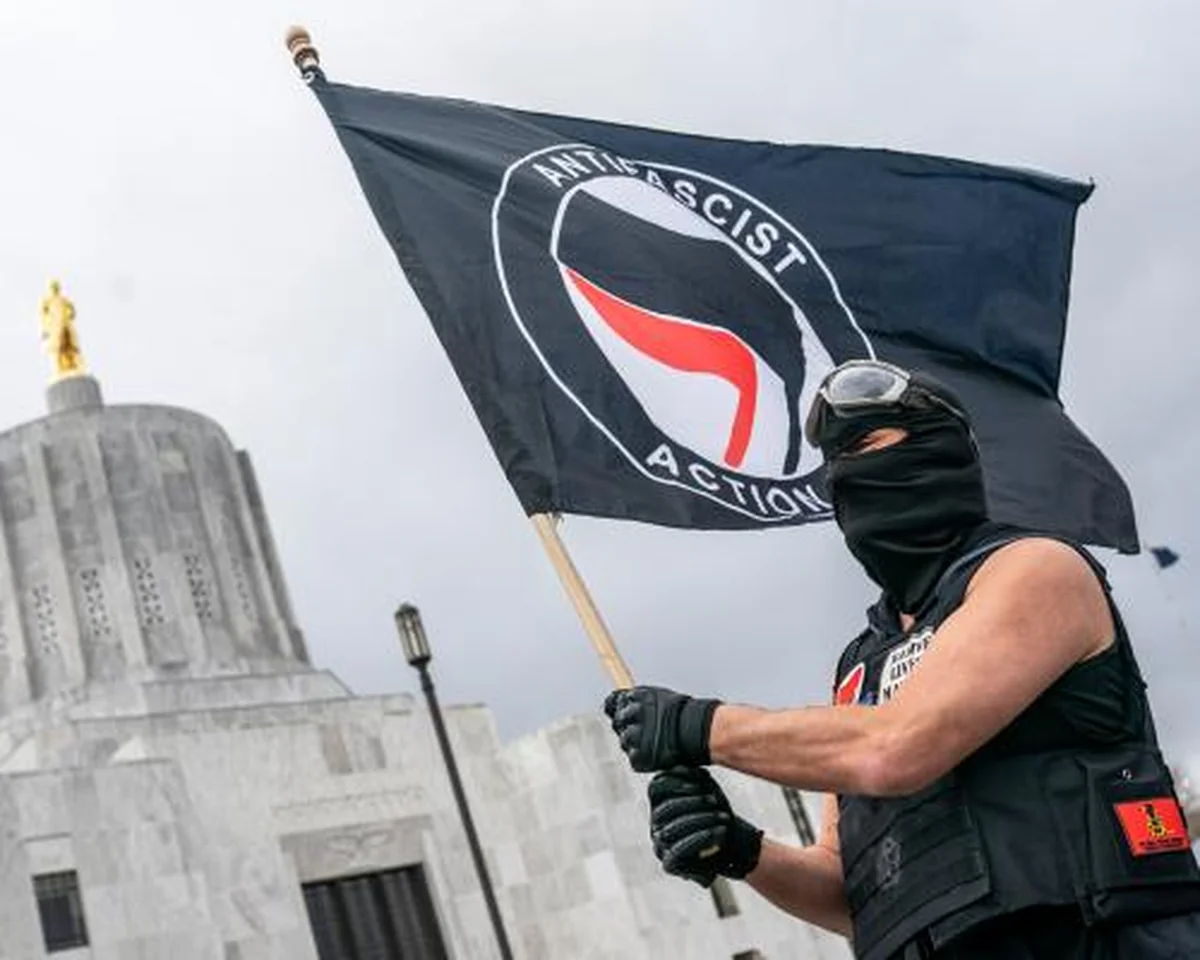
Antifa groups are known for their participation in counter-protests against far-right demonstrations, often employing “black bloc” tactics—wearing all black clothing to conceal identities—during these events. Their activities vary widely based on local chapters and specific contexts. However, the movement has become a focal point for political rhetoric, frequently used to broadly characterize left-wing activism.
The Aftermath and Ongoing Debate
The executive order has ignited a fierce debate about the limits of government power, freedom of speech, and the definition of domestic terrorism. Legal challenges are expected, and the long-term implications of this designation for political discourse and civil liberties remain to be seen. The lack of concrete evidence linking antifa to specific acts of terrorism, coupled with the movement’s decentralized nature, raises serious questions about the legality and effectiveness of this executive action.
The administration’s justification for the order, citing the recent murder of Charlie Kirk, further fuels the debate. Without a clear connection between the perpetrator and the antifa movement, the order appears to be a politically motivated response to broader concerns about left-wing activism, rather than a targeted response to specific acts of terrorism.
Source: The Guardian