Examining Trump’s Billion-Dollar Libel Threat Against BBC
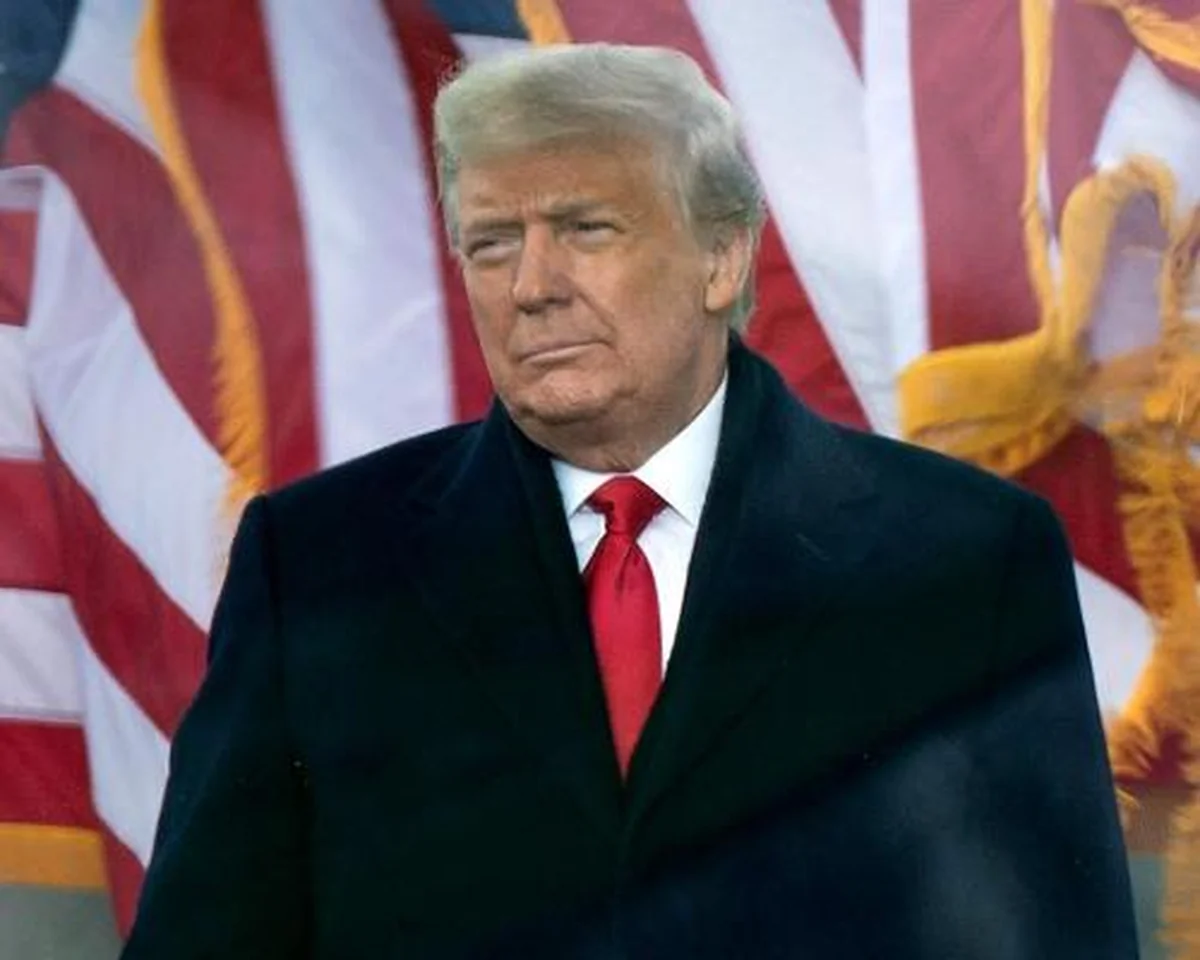
Former President Donald Trump has once again captured global attention, this time by threatening to sue the British Broadcasting Corporation (BBC) for an astonishing $1 billion (£760 million). The potential lawsuit stems from what the BBC itself has acknowledged was a misleading edit of Trump’s speech delivered on January 6, 2021, amidst the Capitol Hill insurrection. This development raises significant legal questions regarding jurisdiction, the statute of limitations, and the feasibility of such a colossal claim.
The Alleged Misleading Edit and Trump’s Demand
The controversy centers on a BBC Panorama episode, initially broadcast on October 28, 2022. While the BBC has conceded that an edit of Trump’s remarks from that tumultuous day was misleading, the former president is demanding more than just an admission of error. His legal team has notified the BBC of his intent to initiate proceedings in Florida unless there is “not a full and fair retraction of the documentary,” a public apology, and “appropriate compensation” for the harm he alleges to have suffered.
Where Can Trump File His Lawsuit?
One of the initial hurdles for any defamation claim is determining the appropriate legal venue. Had Trump intended to file in London, he has already missed the window. English law dictates a strict one-year statute of limitations for defamation cases, meaning the deadline for a claim related to the October 2022 broadcast passed last year. However, the legal landscape in the United States offers a different timeline. In Florida, where Trump maintains residency, the statute of limitations for defamation extends to two years, keeping his potential claim viable.
The BBC’s digital presence in the U.S., including BBC.com and the BBC Select streaming service, provides a clear nexus for a lawsuit to be brought in an American court. This accessibility means that Trump’s legal team can credibly pursue action on U.S. soil, circumventing the expired UK deadline.
The $1 Billion Question: Is Such a Payout Possible?
The eye-watering sum of $1 billion immediately prompts scrutiny. Defamation awards, particularly in the UK, are typically far more modest. The largest known defamation payout ordered by a British court is approximately £1.5 million. The U.S., however, has seen significantly higher figures, though these are often outliers.
The most substantial defamation award in U.S. history was the $1.4 billion ordered against Infowars founder Alex Jones, who was found liable for defaming the families of victims of the 2012 Sandy Hook elementary school shooting by claiming it was a hoax. Another notable recent case involved Fox News, which agreed to a $787.5 million settlement with Dominion Voting Systems over false claims that Dominion was involved in a plot to rig the 2020 election. While these cases demonstrate the potential for massive judgments in the U.S., they represent extreme circumstances, often involving widespread, intentional falsehoods impacting numerous victims or institutions.
A History of High-Stakes Legal Battles
Trump has not publicly detailed how his legal team arrived at the $1 billion figure. However, this is not his first foray into seeking extraordinary damages in high-profile media lawsuits. He previously pursued CBS News, the BBC’s U.S. partner, for $10 billion (later increased to $20 billion), alleging they doctored an interview with Kamala Harris to portray her favorably. Other notable claims include a $15 billion defamation lawsuit against The New York Times for “spreading false and defamatory content” and a $10 billion libel claim against The Wall Street Journal. These past actions suggest a pattern of making significant financial demands in legal disputes involving media organizations.
As the former president weighs his options, the prospect of a billion-dollar legal battle with the BBC looms, promising a complex and closely watched courtroom drama if he proceeds.
Source: The Guardian