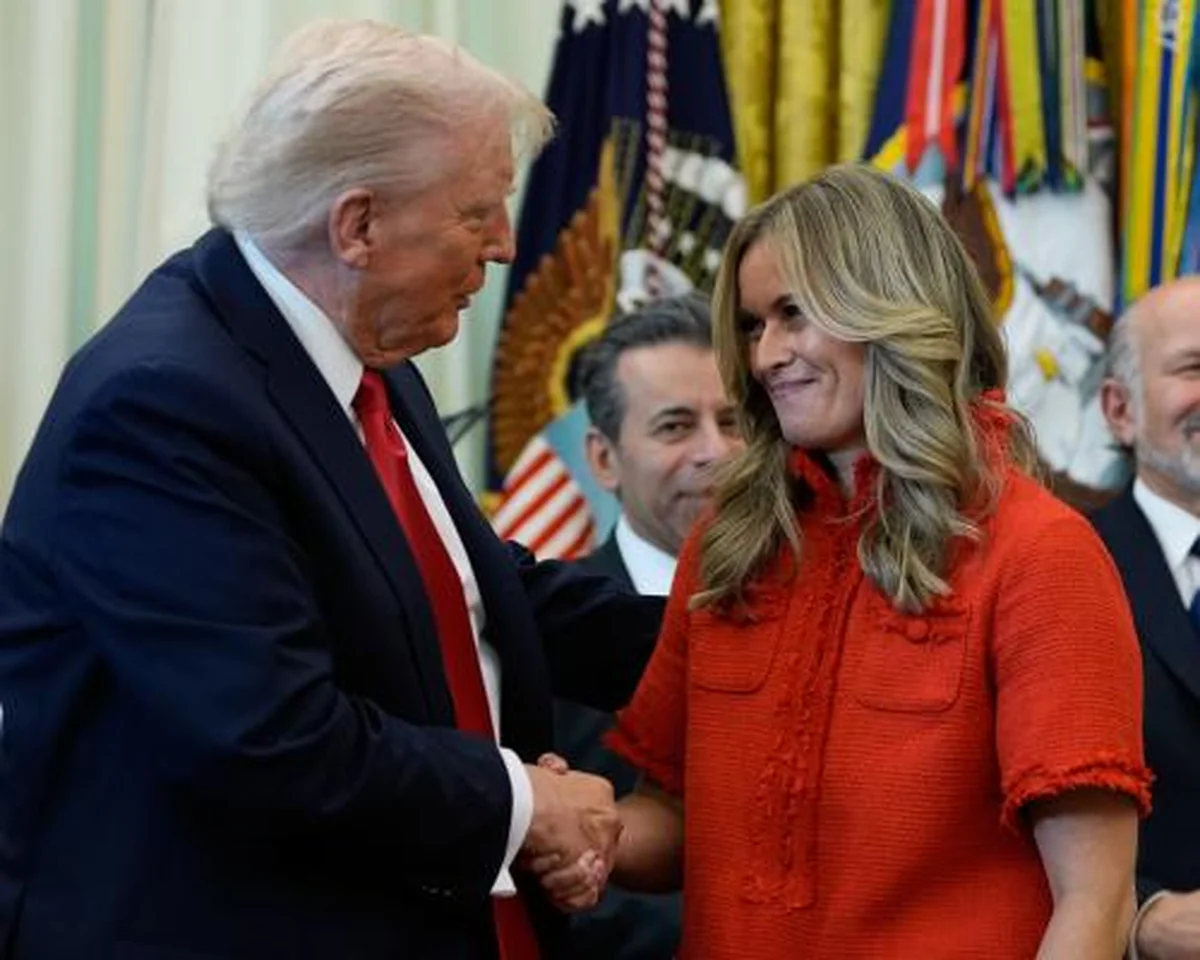
Trump Pushes Employers on IVF Coverage, Lowers Drug Costs
The Trump administration on Thursday unveiled a new initiative aimed at broadening access to in vitro fertilization (IVF) and other fertility treatments for American families. Speaking from the Oval Office, Donald Trump urged U.S. employers to establish fresh benefit options for infertility care, while simultaneously announcing a significant reduction in the cost of a key fertility medication.
Central to the announcement was a newly struck agreement with pharmaceutical giant EMD Serono, which will see the price of one of its fertility drugs lowered and subsequently listed on the government’s TrumpRx website. Trump asserted that these combined efforts would pave the way for “many more beautiful American children.” He emphasized his administration’s commitment, stating, “In the Trump administration, we want to make it easier for all couples to have babies, raise children and have the families they’ve always dreamed about.”
New Guidance for Employer Benefits
The proposed fertility benefit options are encouraged to be offered by employers as a standalone package, distinct from traditional medical coverage. This model mirrors how benefits like dental and vision insurance are typically presented to employees. To facilitate this, the Departments of Labor, Treasury, and Health are set to release comprehensive guidance on Thursday, outlining the legal framework for businesses to implement such programs.
However, during the press conference, Republican officials clarified that the new benefit would be framed as a “recommendation.” This crucial distinction means employers will not be mandated to provide the coverage, nor will they receive government subsidies for doing so. Without direct financial incentives or regulatory requirements, it remains uncertain how many companies will ultimately adopt these recommended IVF benefits.
Campaign Promise and Alabama Context
This push for enhanced fertility treatment access marks a significant element of Trump’s re-election campaign. He has previously dubbed himself the “fertilization president,” underscoring his commitment to the issue. The administration’s renewed focus comes months after a controversial ruling by the Alabama Supreme Court, which classified frozen embryos as “extrauterine children.” That decision ignited a national outcry and temporarily compelled many IVF providers across Alabama to halt their services, raising concerns about the future of fertility care.
Despite the widespread public reaction to the Alabama ruling, the Trump administration had maintained a relatively quiet stance on the issue in the months following the controversy, until this recent announcement. In February, an executive order was signed, directing the administration’s domestic policy council to develop recommendations for “aggressively” reducing the substantial price tag associated with IVF, which often runs into tens of thousands of dollars.
The latest moves signal a concerted effort to address the financial and accessibility barriers to fertility treatments. While the voluntary nature of the employer benefits introduces a degree of uncertainty regarding their widespread adoption, the administration’s engagement with drug manufacturers and its public advocacy highlight a clear policy direction aimed at supporting American families in their journey to parenthood.
Source: The Guardian