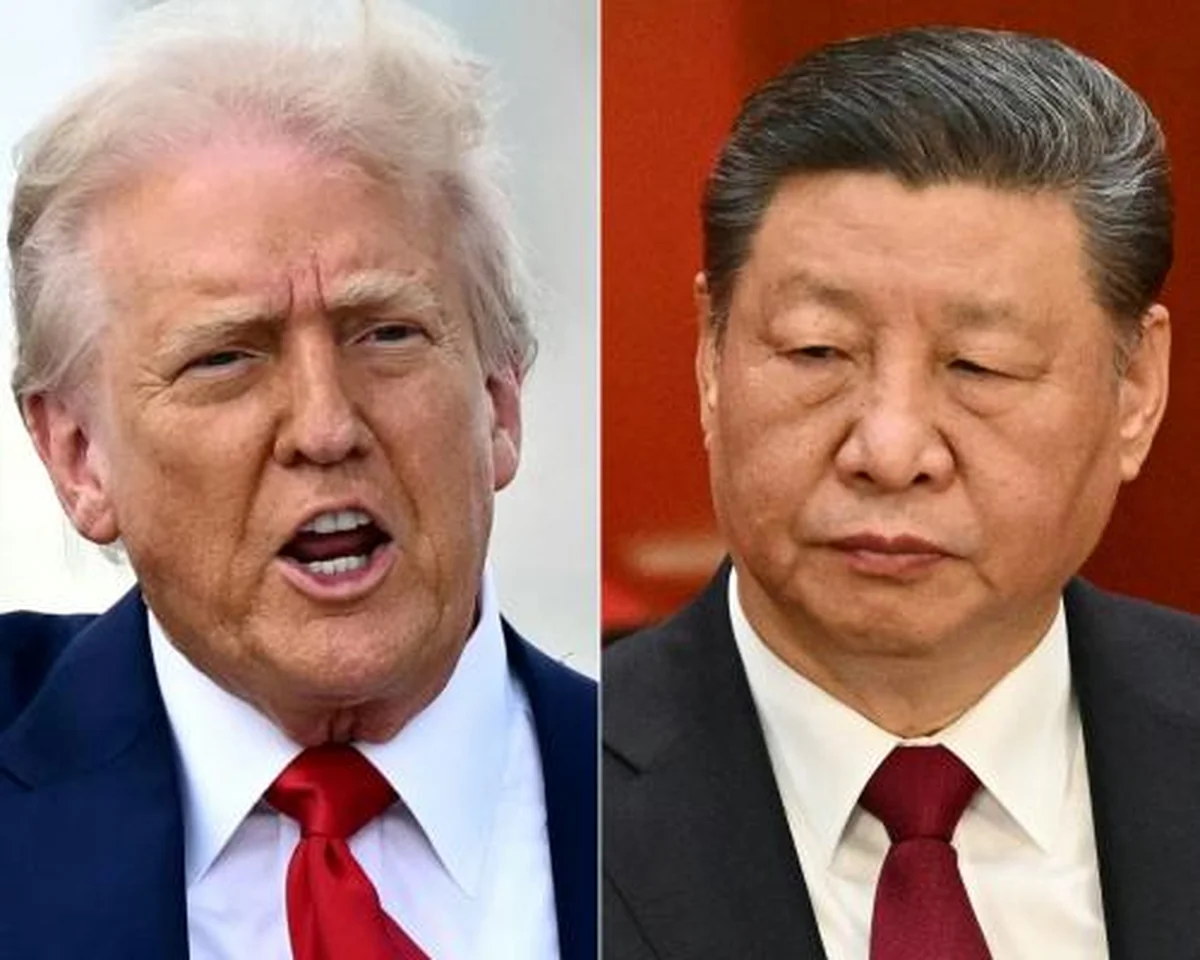
Trump, Xi Set for Pivotal Talks Amid Trade War
U.S. President Donald Trump is poised to convene with Chinese leader Xi Jinping in South Korea this week for critical discussions against a backdrop of an intense trade dispute and complex geopolitical tensions. Their anticipated meeting is scheduled to occur on the sidelines of the Asia Pacific Economic Cooperation (APEC) summit on Thursday, marking the final day of Trump’s multi-nation Asian tour, which also included stops in Malaysia and Japan.
“We have a lot to talk about with President Xi, and he has a lot to talk about with us,” Trump informed reporters as his journey commenced, adding, “I think we’ll have a good meeting.” This encounter will be the first direct dialogue between the two leaders since Trump’s return to the White House in January. Global markets and policymakers alike are keenly observing the agenda for this high-stakes meeting.
Trade Tensions Dominate Agenda
The primary focus of the upcoming Trump Xi meeting is undeniably the ongoing trade conflict and its associated tariffs, which have significantly strained bilateral relations. These discussions aim to forge a path forward following President Trump’s recent threat of imposing a steep 100% tariff on additional Chinese imports, slated to take effect on November 1. This aggressive move was presented as a direct counter to Beijing’s implementation of tight export controls on rare earth materials – critical components for numerous high-tech industries, including defense and renewable energy. The strategic importance of rare earth elements remains a key point of contention, highlighting the broader economic rivalry.
In preparation for the presidential summit, senior economic officials from both the United States and China held preparatory talks in Kuala Lumpur on Saturday. These preliminary discussions addressed key facets of the escalating trade war, setting the stage for the leaders’ direct engagement on the most pressing economic issues.
Speaking aboard Air Force One, President Trump conveyed a sense of optimism that his dialogue with Xi could yield substantial progress across various issues. He specifically highlighted the importance of soybean trade, a significant concern for American agricultural producers. “I think we have a really good chance of making a very comprehensive deal,” Trump stated, expressing hope for a broad resolution. He further emphasized his desire for China to increase purchases of U.S. soybeans, remarking, “I want our farmers to be taken care of. And he [Xi] wants things also.” This reciprocal approach underscores the intricate give-and-take inherent in the negotiations.
Beyond Tariffs: The Opioid Crisis
Beyond the economic concerns, President Trump also indicated his firm intention to raise the critical issue of fentanyl with President Xi. He aims to intensify pressure on Beijing to curb the trafficking of the potent synthetic opioid, which has contributed significantly to the ongoing public health crisis in the United States. Furthermore, Trump seeks to bolster collaborative efforts against Latin American drug cartels, which play a role in the illicit drug trade. This agenda item underscores the multifaceted nature of the U.S.-China relationship, extending beyond purely economic considerations to include shared global challenges.
Global Implications and Anticipation
On Sunday, Li Chenggang, China’s lead trade negotiator, confirmed that Beijing and Washington had achieved a preliminary consensus on several points during the preparatory talks. This positive development offers a glimmer of hope ahead of the leaders’ direct meeting.
Thursday’s pivotal Trump Xi meeting will unfold after months of significant volatility in US-China relations, a dynamic that has sent ripples through the global economy and rattled financial markets worldwide. Investors and analysts will be keenly observing the outcome, hoping for a de-escalation of the trade war, which was initially triggered by President Trump’s sweeping tariffs. The world awaits to see if this high-level dialogue can indeed chart a new course for the strained relationship between the two economic powerhouses, potentially easing global economic anxieties and fostering greater stability.
Source: The Guardian