US-China Trade War Shifts: A Truce, Not Lasting Peace
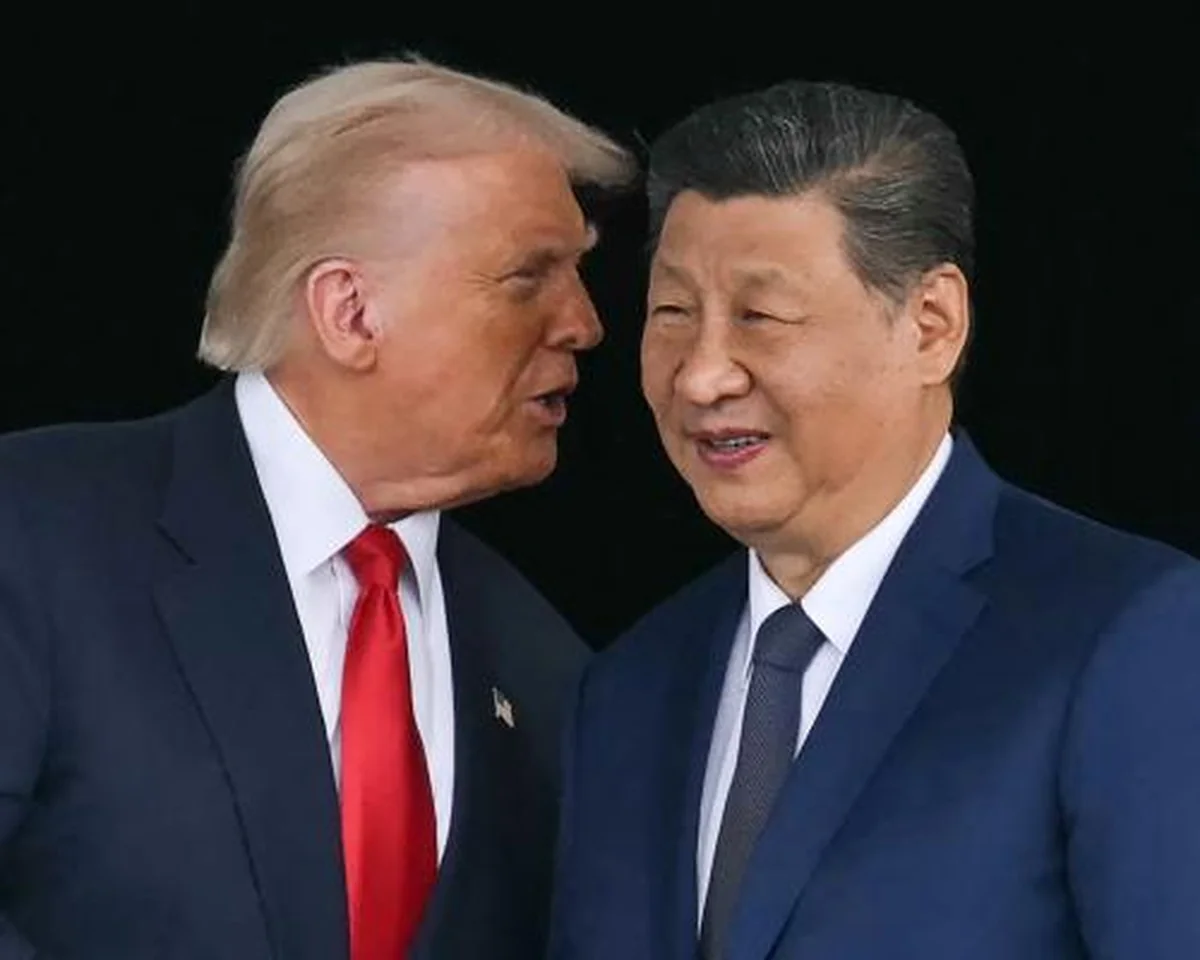
After months of escalating tensions and economic skirmishes, a recent high-stakes meeting between President Donald Trump and President Xi Jinping in Busan, South Korea, has introduced a fragile pause in the protracted trade conflict. The encounter, described by Trump as a “12 out of 10” success, signals a potential de-escalation, moving the world’s two largest economies from outright confrontation to a precarious truce.
The trade war ignited in April when the Trump administration threatened tariffs as high as 145% on Chinese goods. Beijing’s swift and defiant response vowed to “fight to the end,” declaring it would “never bow to blackmail.” This initial aggressive stance from both sides set the stage for a turbulent period, marked by economic uncertainty and geopolitical maneuvering.
From Trade Battle to Geopolitical Showdown
What began as a dispute over trade practices gradually morphed into a broader geopolitical trial of strength in the minds of some U.S. administration officials. The initial strategic objectives behind the trade war were often ambiguous, oscillating between safeguarding traditional American manufacturing, protecting critical technology-based industries vital for national security, punishing perceived unfair Chinese trade practices, and more broadly, asserting dominance over China as a rising competitive threat. This lack of clear articulation contributed to the conflict’s evolving nature.
The past six months have been characterized by significant volatility. The period saw fluctuating tariffs, stringent export curbs, and a barrage of threats and counter-threats. It also involved deferrals and monopolies inquiries, underscoring the multifaceted nature of the dispute. Amidst this turmoil, five rounds of trade talks took place in diverse locations including Madrid, London, Geneva, Stockholm, and Kuala Lumpur. These discussions culminated in the pivotal two-hour direct talks between Trump and Xi in Busan, marking their first face-to-face interaction since 2019.
A Diplomatic Opening, But Questions Remain
During the peak of the crisis, U.S. tariffs on Chinese goods averaged 55%. While this figure was substantial, it remained significantly below the level that would constitute a total embargo. The consensus reached in Busan, therefore, represents a significant turning point, albeit one that appears to be more a temporary cessation of hostilities than a definitive resolution setting stable long-term boundaries for U.S.-China relations.
Nevertheless, the meeting offered glimpses of a potential broader diplomatic relationship. The announcement of reciprocal visits by each leader within a year stands in stark contrast to the hawkish expectations prevalent in Congress when Trump first took office. Such developments are likely to trigger alarm bells across the political spectrum in Washington, as they suggest a more accommodating approach than many hardliners had anticipated.
The critical question now is whether this truce will pave the way for a durable peace, and on whose terms. While both sides have reportedly removed some of their “biggest guns” from the negotiating table, the underlying issues that fueled the trade war remain complex and deeply entrenched. The world watches, cautiously optimistic, as this new chapter in U.S.-China relations begins to unfold, hoping for stability but bracing for potential renewed friction.
Source: The Guardian