US Civic Freedoms Plummet Under Trump Policies
A prominent international coalition of civil society organizations has significantly lowered the United States’ civic health assessment, shifting its status from “narrowed” to the more severe classification of “obstructed.” This downgrade, detailed in a report issued Tuesday by Civicus, a non-profit entity dedicated to monitoring civic liberties across 198 nations, places the U.S. in a category indicating substantial challenges to fundamental freedoms.
The group attributed this sharp decline to “a year of sweeping executive actions, restrictive laws and aggressive crackdowns on free speech and dissent,” which have severely eroded basic rights within the country. This re-evaluation comes mere months after Civicus’s July appraisal, which had positioned the U.S. at “narrowed,” a level considered one step more favorable than its current “obstructed” designation. Civicus employs a five-tiered system to gauge civic space conditions globally: “open,” “narrowed,” “obstructed,” “repressed,” and “closed,” assigning each nation a score based on these criteria.
Global Watchdog Issues Downgrade
According to Civicus, an “obstructed” ranking signifies environments where civic space faces intense pressure and contention. While civil society organizations may still operate, their efficacy is frequently undermined by state authorities through various means, including unauthorized surveillance, burdensome bureaucratic hurdles, and disparaging public pronouncements. This creates a hostile operational climate for groups advocating for public interests and rights.
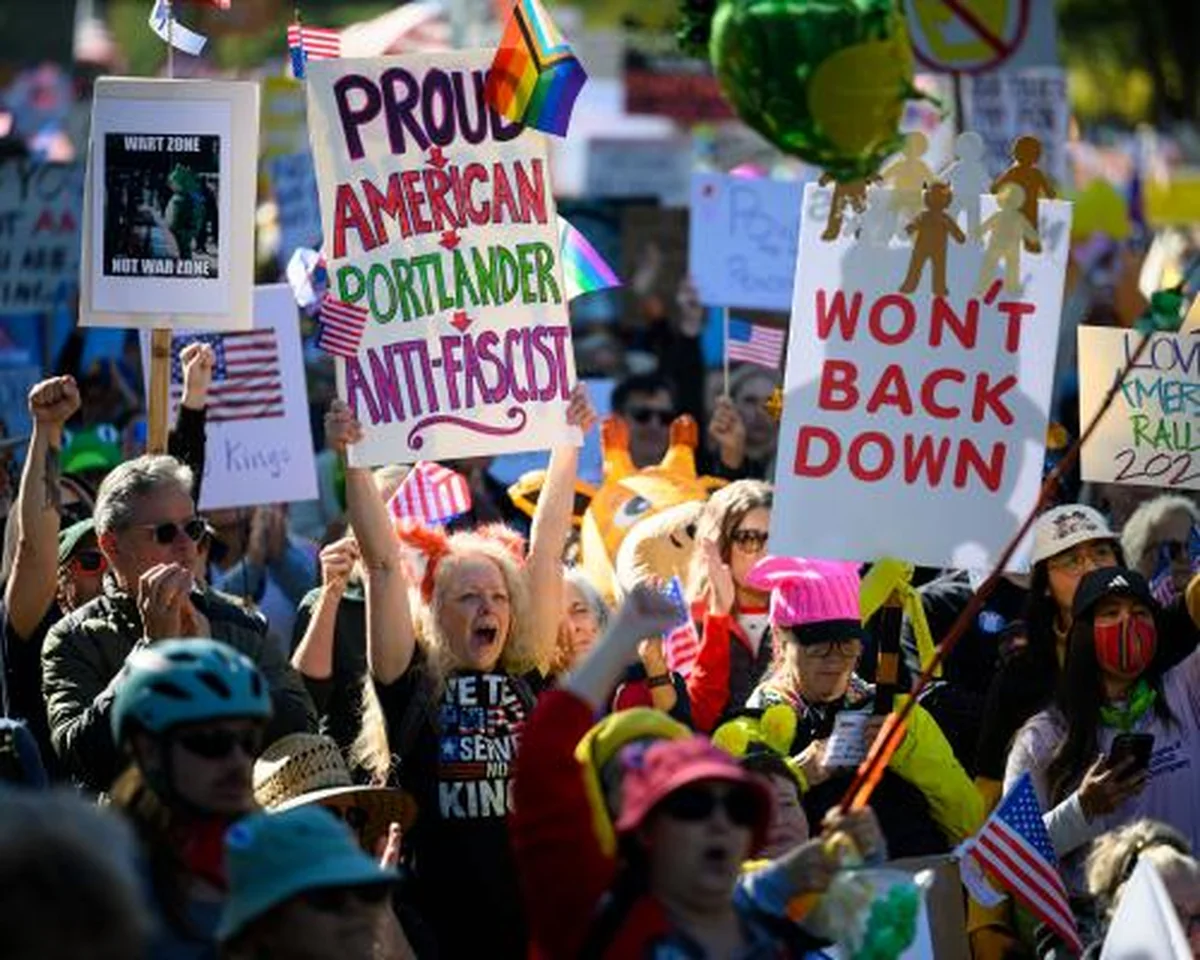
The report’s criteria for an “obstructed” rating further elaborate on the challenges faced by citizens and media. “Citizens can organise and assemble peacefully but they are vulnerable to frequent use of excessive force by law enforcement agencies, including rubber bullets, tear gas and baton charges,” the rating description states. This highlights a concerning pattern of state response to public gatherings, even those intended to be non-violent, making participation in protests a risky endeavor.
Threats to Assembly and Media
Regarding media freedoms, the report notes, “There is some space for non-state media and editorial independence, but journalists face the risk of physical attack and criminal defamation charges, which encourage self-censorship.” This environment compels media outlets and individual journalists to exercise caution, potentially leading to a chilling effect on critical reporting and limiting the public’s access to diverse perspectives.
Specific instances cited in the Civicus report underscore the basis for the downgrade. It pointed to militarized responses to protests across the U.S., including the deployment of the National Guard by the Donald Trump administration to cities like Los Angeles, alongside other urban centers. Furthermore, the widespread utilization of Immigration and Customs Enforcement (ICE) agents at public assemblies and within immigrant communities was highlighted as a significant concern, contributing to the perceived erosion of civic liberties.
Specific Concerns Highlighted
The report also brought attention to escalating limitations on free speech observed on college campuses nationwide, particularly impacting activism related to Palestinian solidarity. Universities, according to the findings, have suspended student organizations and initiated investigations under broad and often vague accusations, including charges of “material support for ter…” These actions, the report implies, contribute to an atmosphere where dissenting voices and advocacy for certain causes face heightened scrutiny and potential suppression, further constricting the space for open civic engagement.
Source: The Guardian