US Drug Campaign Death Toll Hits 70 Amid Controversy
A recent U.S. military operation in the Caribbean has resulted in three fatalities, pushing the death toll from the Trump administration’s anti-drug trafficking campaign in Latin America to at least 70. Defense Secretary Pete Hegseth confirmed the strike, part of a broader, often controversial, initiative that began in early September.
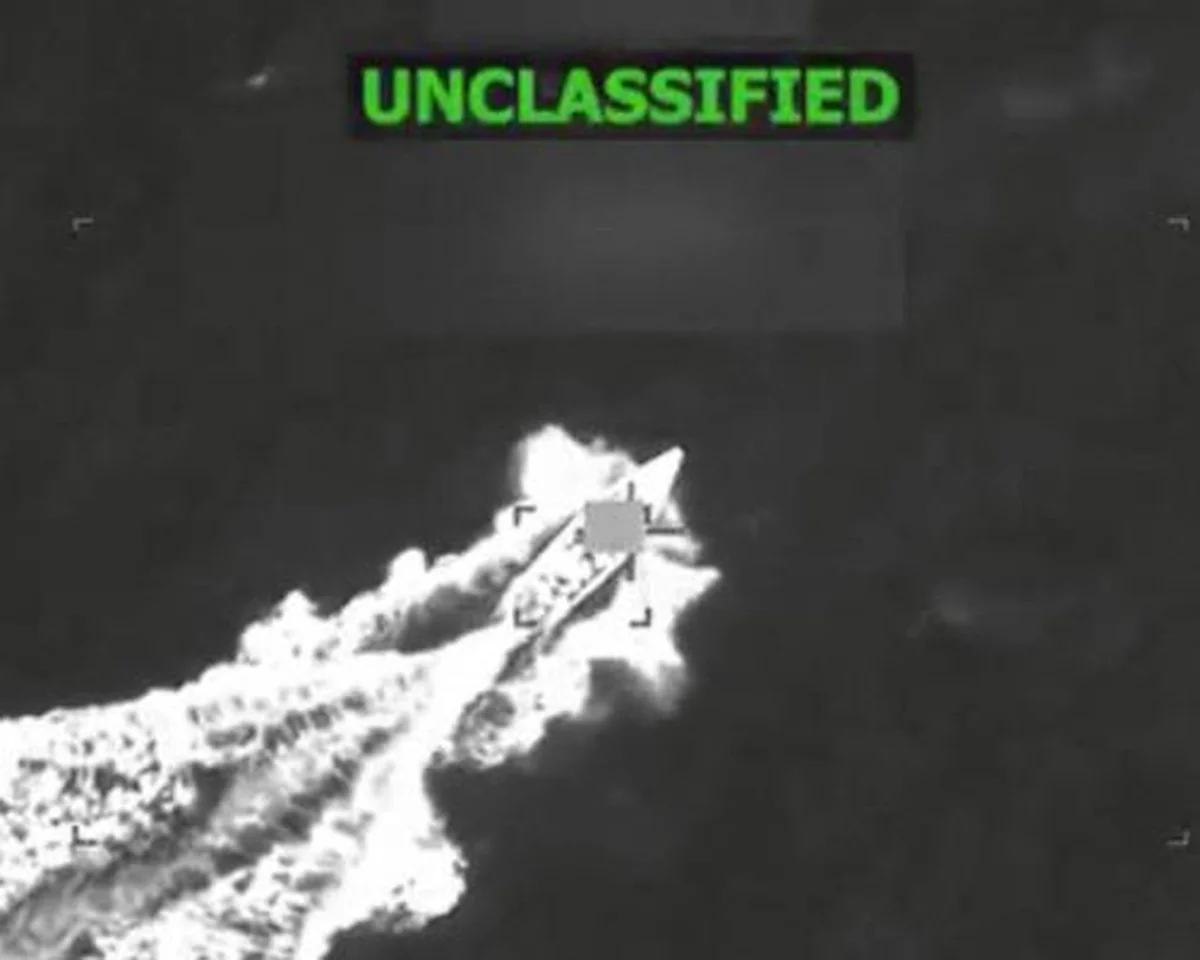
The latest interdiction targeted a suspected drug vessel in international waters, according to Hegseth. He released video footage on X (formerly Twitter) of the engagement, asserting the vessel was “operated by a Designated Terrorist Organization.” No American personnel were injured during the operation. In a stark warning accompanying the video, Hegseth stated, “To all narco-terrorists who threaten our homeland: if you want to stay alive, stop trafficking drugs. If you keep trafficking deadly drugs – we will kill you.” Similar to previous videos released by the government, a portion of the boat in the footage was obscured for unspecified reasons.
Campaign Under Scrutiny
Since its inception, the campaign has focused on disrupting maritime drug routes in the Caribbean and the eastern Pacific. So far, U.S. forces have neutralized at least 18 vessels—comprising 17 boats and one semi-submersible craft. Despite the aggressive posture and rising casualties, Washington has yet to publicly furnish concrete evidence demonstrating that these targeted vessels were actively engaged in narcotics smuggling or posed a direct threat to the United States. This lack of transparency has fueled criticism, with some legal experts contending that such strikes, even against known traffickers, could be construed as extrajudicial killings.
The Trump administration has significantly bolstered its military presence across Latin America, framing the deployments as crucial to its mission of eradicating drug trafficking. This substantial build-up includes the deployment of six Navy ships to the Caribbean, the positioning of F-35 stealth warplanes in Puerto Rico, and the assignment of the USS Gerald R. Ford carrier strike group to the region.
Expanding Military Footprint and Political Battles
The expansion of military activities has also entangled the administration in domestic political battles. Just last Thursday, the U.S. Senate rejected a Democratic-led war powers resolution. This resolution sought to compel President Donald Trump to secure congressional approval before initiating any military strikes in Venezuela. Its failure leaves the president with unchecked authority to potentially broaden his military campaign against the South American nation.
The administration has reportedly explored various military action options concerning Venezuela, according to two individuals familiar with the discussions. Furthermore, Trump’s senior aides have reportedly made inquiries into…
The ongoing campaign underscores a complex and escalating approach to combating drug trafficking, marked by heightened military engagement, rising fatalities, and persistent questions regarding transparency and oversight.
Source: The Guardian