American Views on Israel Undergo Profound Change
For three-quarters of a century, unwavering American support for Israel has been a cornerstone of U.S. foreign policy and a defining characteristic of its political arena. This enduring bond, manifested through substantial military aid, robust diplomatic backing, and broad public acceptance, seemed unbreakable. Yet, a palpable shift is now evident across the nation, signaling a potential reevaluation of this long-held stance.
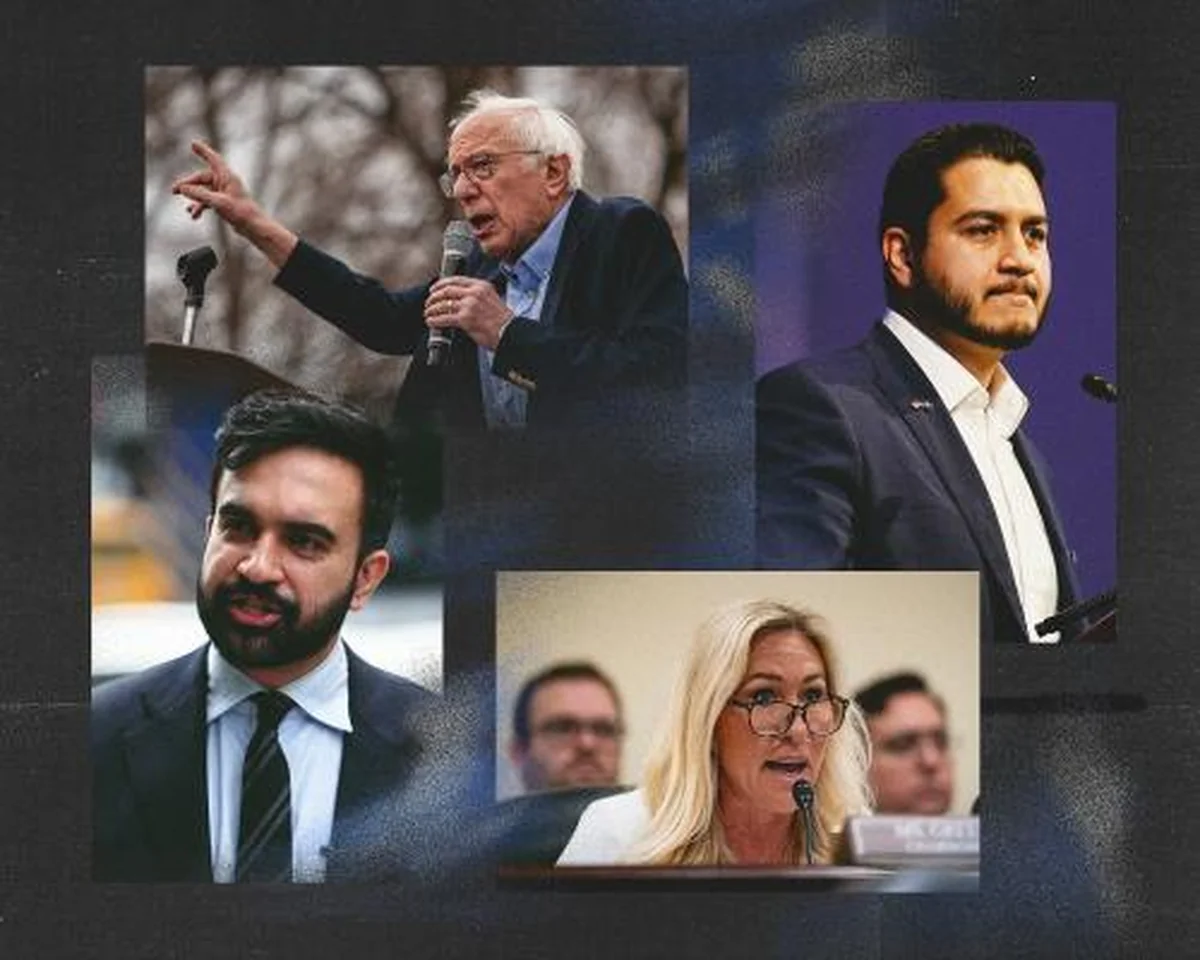
Abdul El-Sayed, a Democratic contender for the U.S. Senate in Michigan, a state renowned for its swing voter dynamics, observed this evolving sentiment firsthand during his extensive campaign across 100 cities and towns. “There’s no doubt that there’s been a change,” El-Sayed stated. “We’ve now lived through genocide, and that is bound to change public opinion in a pretty profound way.” His assessment reflects a growing sentiment detected by pollsters and political analysts alike.
The Catalyst for Shifting Sentiments
The turning point, according to many, arrived in the aftermath of the October 7, 2023, Hamas attack, which tragically claimed the lives of nearly 1,200 individuals, predominantly civilians, on the Israeli side. Initially, this event sparked a wave of solidarity with Israel among the American public. However, the subsequent war in Gaza has dramatically altered this landscape.
The conflict has led to a devastating humanitarian crisis, with more than 67,000 Palestinians reported dead and pervasive images of widespread starvation circulating globally. These stark realities have fueled mounting dissent and reshaped public perceptions. Polls indicate a significant decline in popular support for Israel, plummeting to unprecedented levels, while empathy for the Palestinian cause has simultaneously surged.
Political Repercussions and Open Dissent
The impact of this transformation is becoming increasingly visible within the political sphere. This week in Michigan, Mallory McMorrow, a Democratic rival to El-Sayed in the three-way primary race to succeed the retiring Senator Gary Peters, publicly echoed El-Sayed’s characterization of the conflict as “genocide.” This open agreement marks a notable departure from historical political discourse.
Historically, politicians from both Democratic and Republican parties would often shy away from even the mildest criticism of Israel. Today, a small but expanding group of lawmakers are openly decrying the protracted Gaza offensive, with some explicitly using the term “genocide.” This public acknowledgment of the conflict’s severity represents a significant shift in political rhetoric.
Future Policy Trajectories Remain Unclear
Despite this increasing public and political introspection, the practical implications for U.S. policy have yet to materialize. The vocal critiques and “public breast-beating,” as some describe it, have not alleviated the suffering of Palestinians or interrupted the billions of dollars in U.S. military aid continuously flowing to Israel. Analysts suggest that it may take several election cycles for these evolving public sentiments to truly translate into substantive policy changes.
The current divergence between public opinion and ongoing policy highlights a critical juncture in U.S.-Israel relations. While the immediate future of U.S. foreign policy regarding the conflict remains uncertain, the profound transformation in American public sentiment signals a long-term re-evaluation that could fundamentally reshape the political landscape for generations to come.
Source: The Guardian