US Military Kills 14 in Pacific Drug Strikes Amid Legal Scrutiny
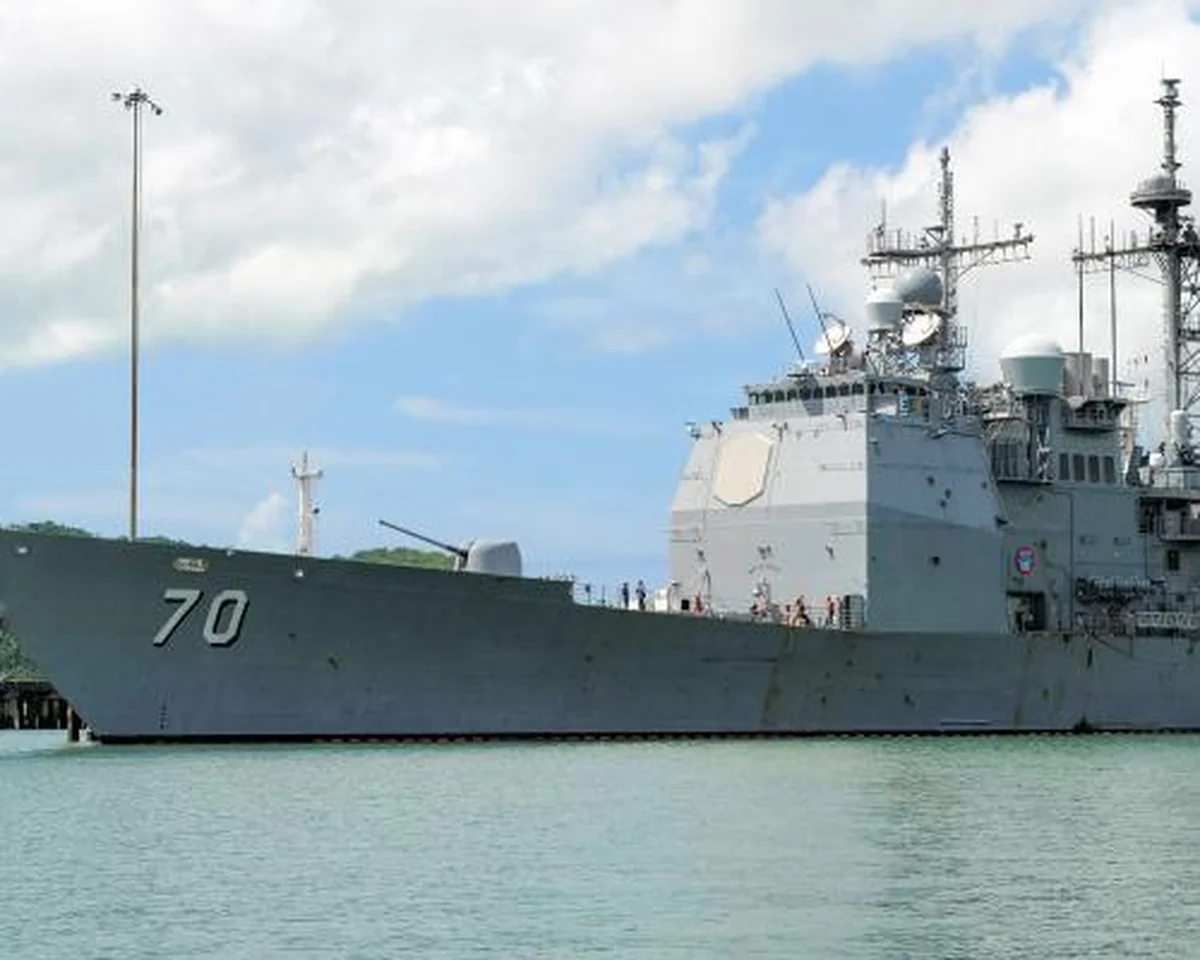
The United States military has reported the killing of 14 individuals during recent operations targeting drug-trafficking vessels in the eastern Pacific Ocean, with only one survivor confirmed. Defense Secretary Pete Hegseth announced the fatalities on Monday, signaling a notable expansion of the Trump administration’s anti-narcotics campaign beyond its previous focus on the Caribbean.
These latest interdictions, which involved four boats struck on Sunday across three separate engagements, contribute to a rising death toll. Since the campaign commenced in early September, U.S. forces have now attacked at least 13 vessels, bringing the officially acknowledged number of fatalities to 51 people.
Escalating Pacific Operations
Secretary Hegseth’s statement provided limited geographical specifics, noting only that the strikes occurred in international waters within the eastern Pacific. This marks a strategic shift for the administration, which last week began targeting maritime routes on the western side of the Americas, having initially concentrated its efforts off the Venezuelan coast. The broadening scope indicates an intensified commitment to disrupting drug supply lines across a wider expanse of the hemisphere.
The vessels involved in Sunday’s incidents were identified by intelligence as “known by our intelligence apparatus, transiting along known narco-trafficking routes, and carrying narcotics,” Hegseth stated in a social media post detailing the operations. He also confirmed the presence of a single survivor from the recent engagements.
Hegseth Defends Aggressive Stance
Addressing the logistical and legal complexities associated with the survivor, Secretary Hegseth indicated that the U.S. had requested Mexico’s assistance with search and rescue responsibilities, a request that Mexico accepted. This arrangement potentially circumvents intricate legal questions that could arise from detaining individuals in international waters under such circumstances.
Hegseth passionately defended the military’s actions, drawing a parallel between these operations against alleged drug traffickers and the global war on terror’s strikes against al-Qaida targets. “The Department has spent over TWO DECADES defending other homelands. Now, we’re defending our own. These narco-terrorists have killed more Americans than Al-Qaeda, and they will be treated the same. We will track them, we will network them, and then, we will hunt and kill them,” Hegseth asserted, framing the campaign as a direct defense of national security.
Legal Basis Under Fire
Despite the administration’s robust justification, the legal underpinning of these strikes has drawn considerable criticism from legal experts. A key point of contention is the absence of explicit congressional authorization for the use of military force against drug cartel members, unlike the specific authorizations granted for actions against groups like al-Qaida.
In targeting individuals associated with drug cartels, the Trump administration has invoked the President’s Article II powers, asserting the authority to defend the United States against what it characterizes as an imminent threat. Legal scholars, however, continue to dispute whether these executive powers extend to such offensive military actions against non-state actors involved in drug trafficking, especially without specific legislative approval, raising complex questions about the scope of presidential authority in undeclared conflicts.
Source: The Guardian